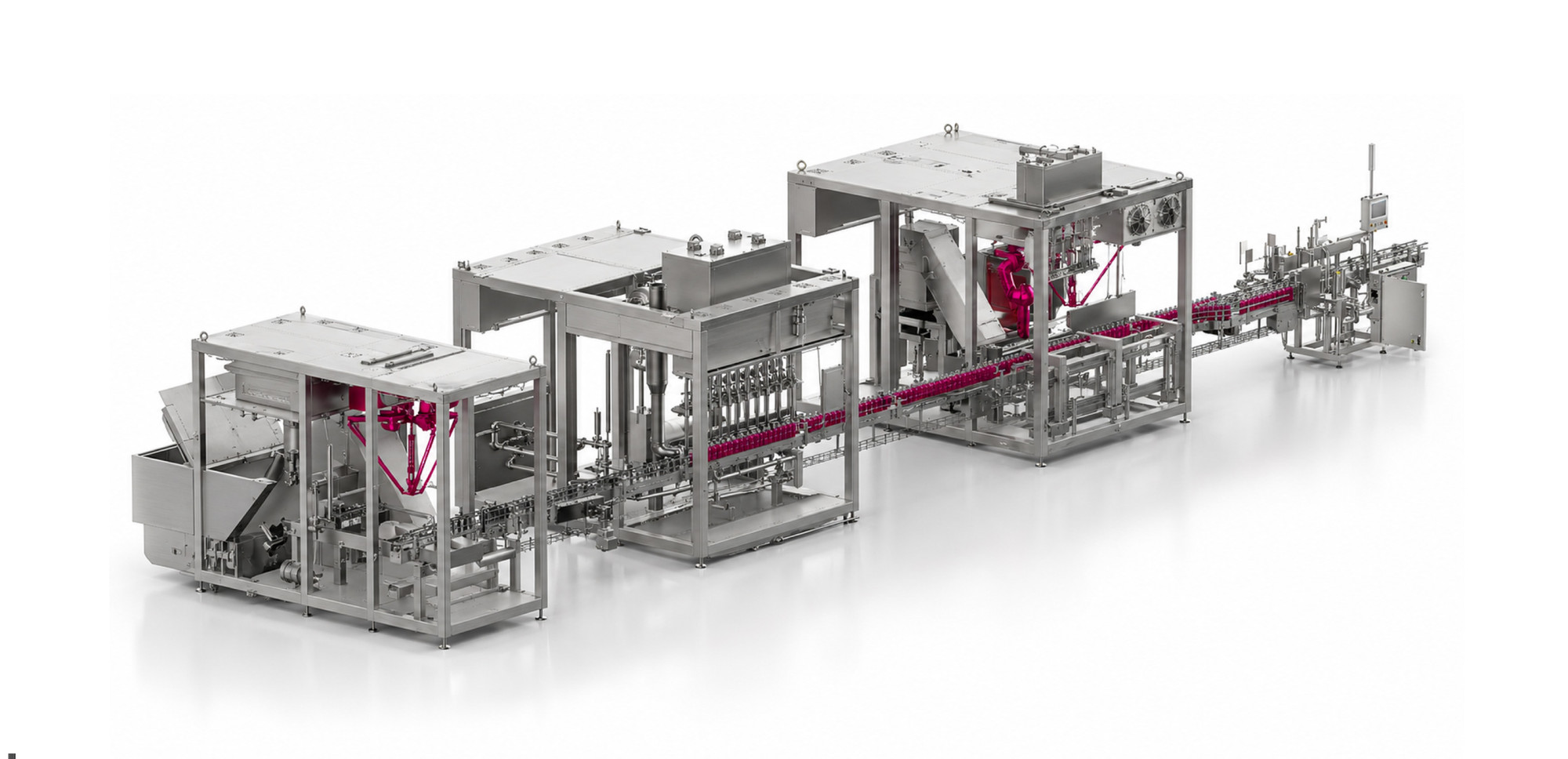
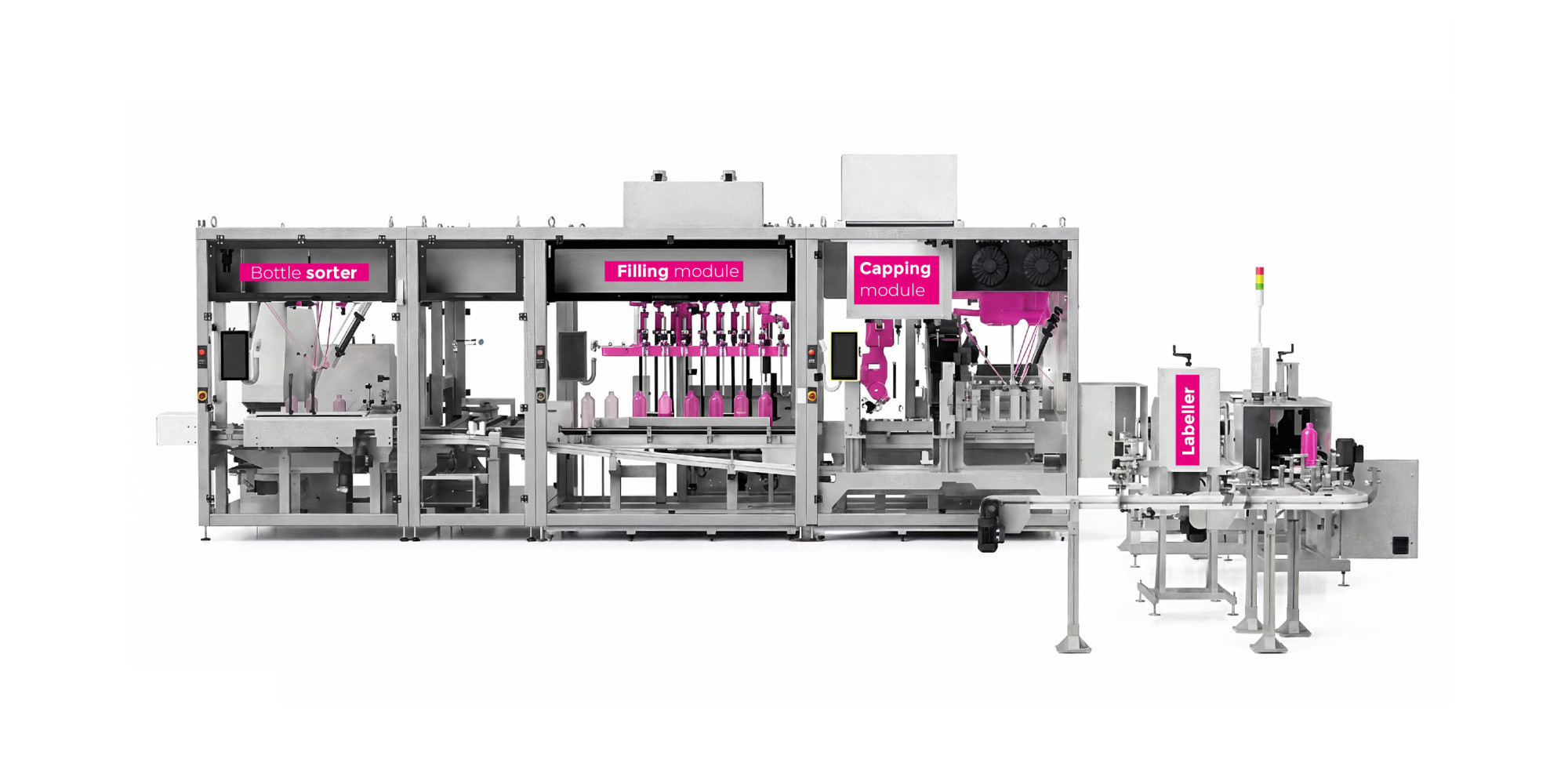
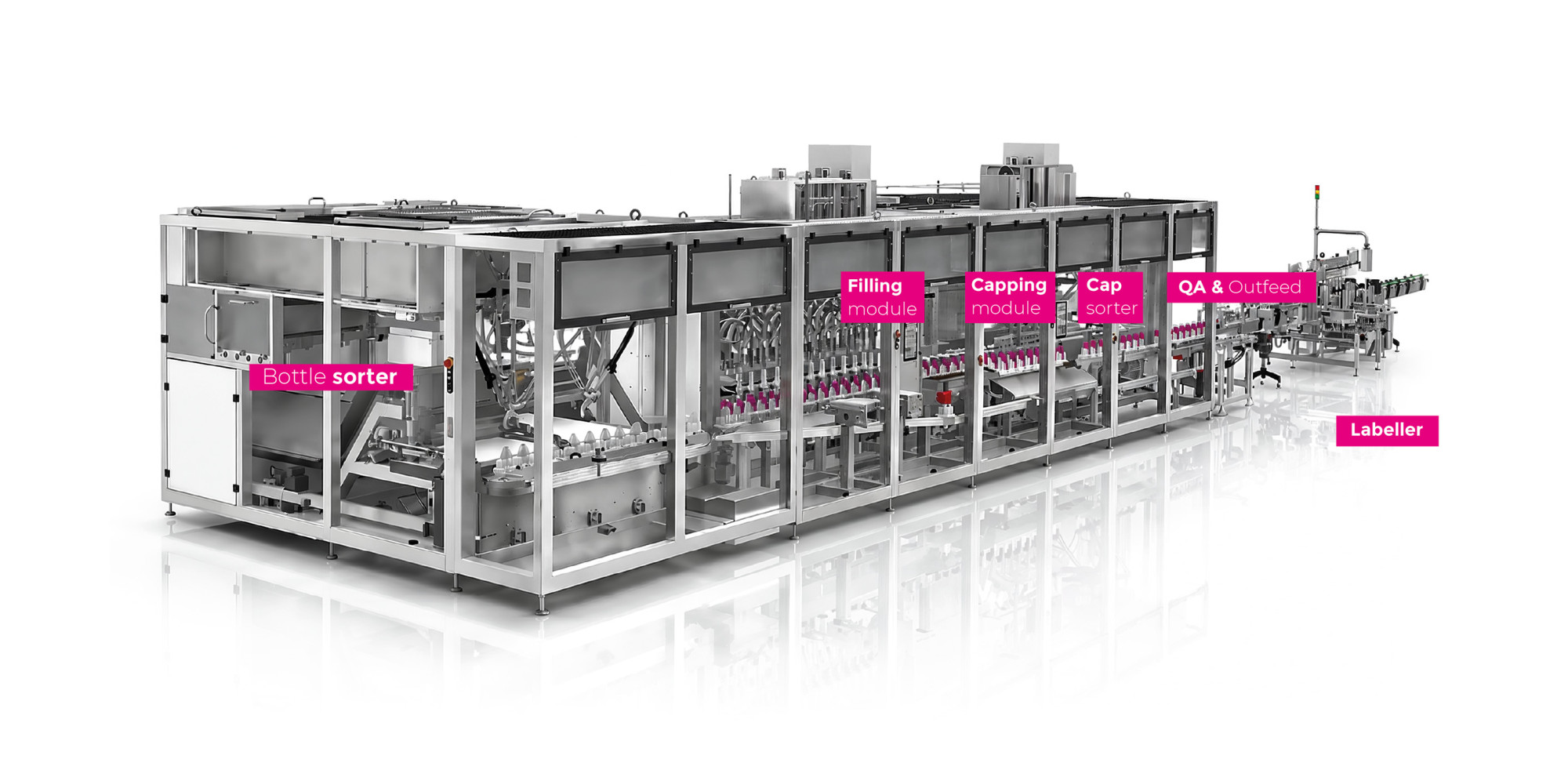
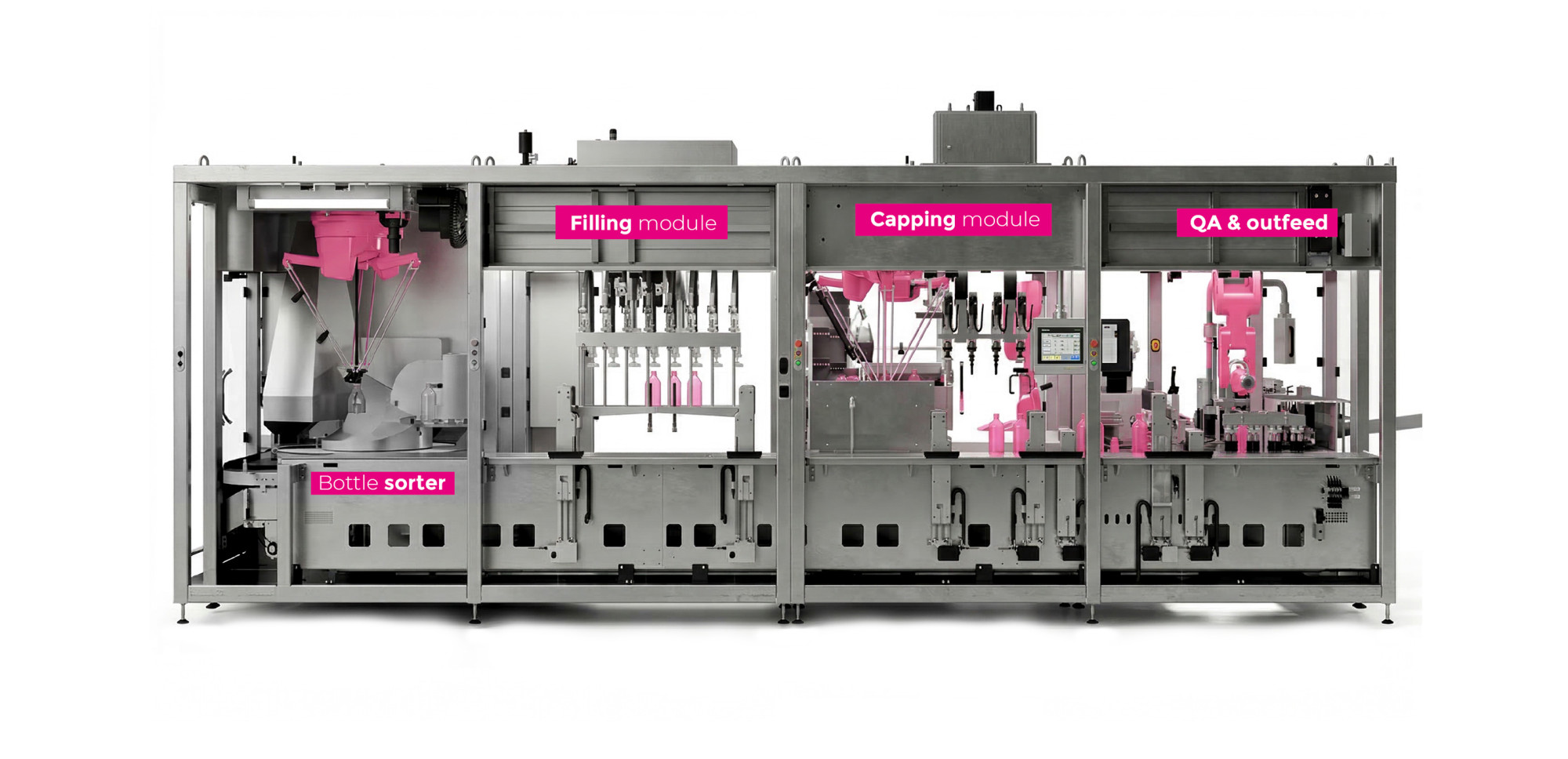
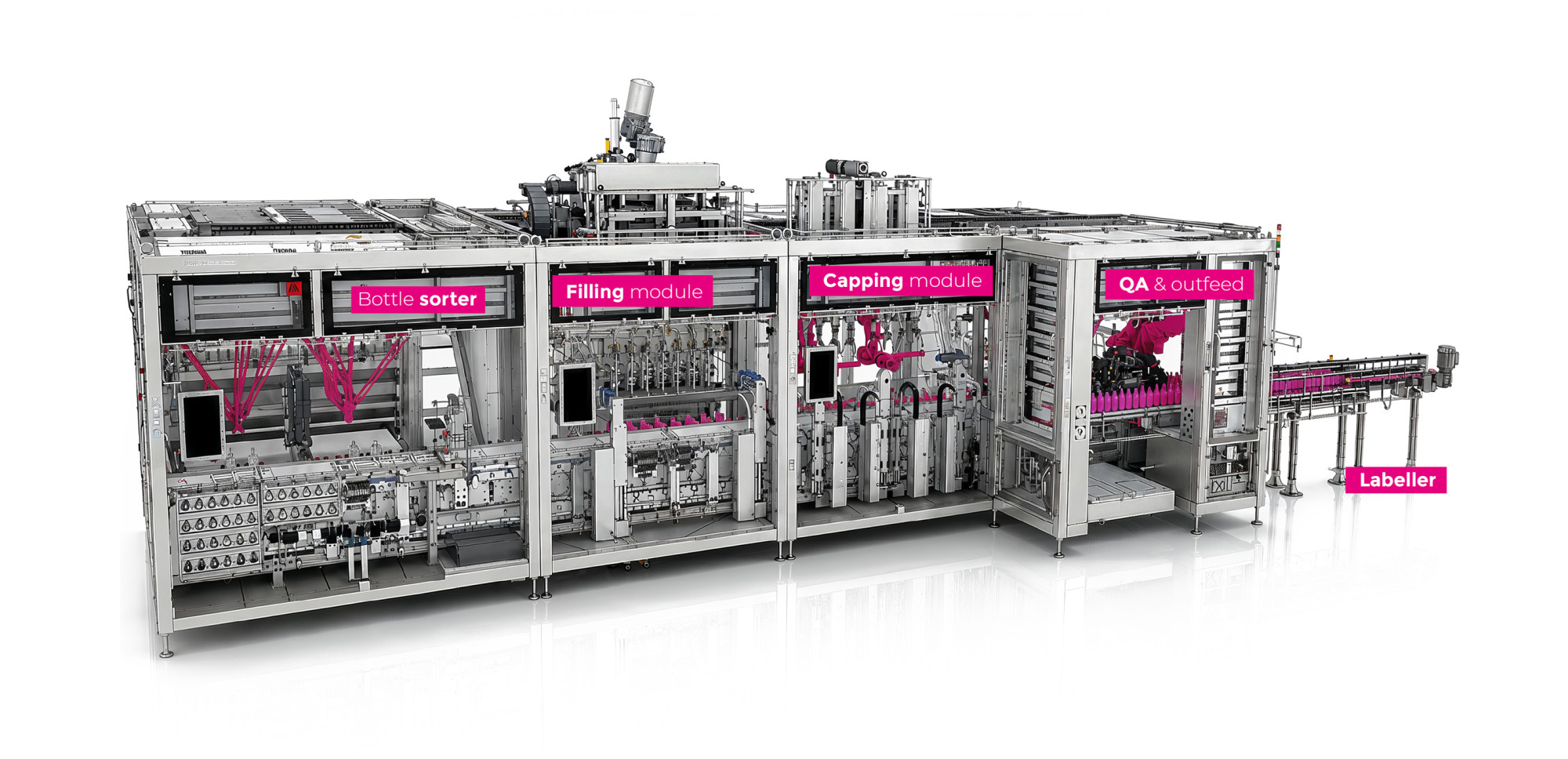
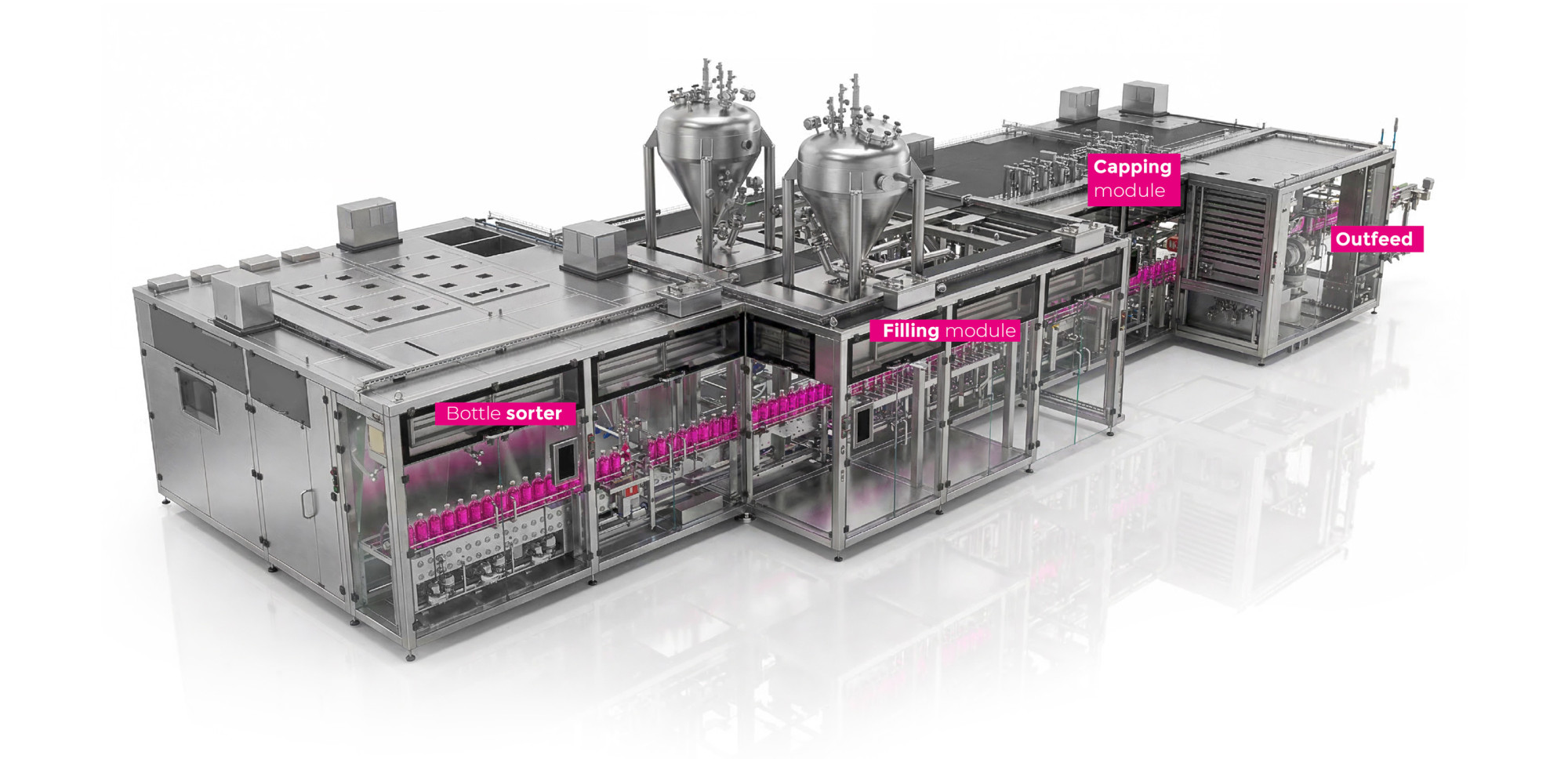
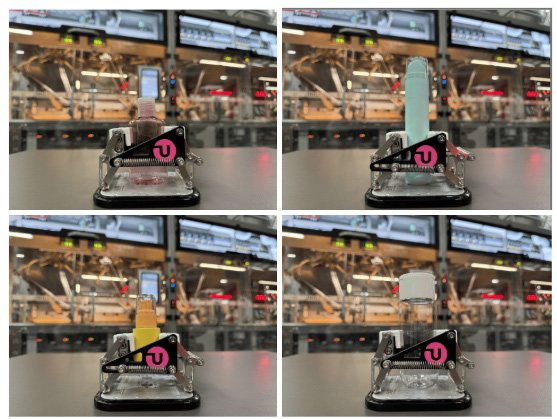
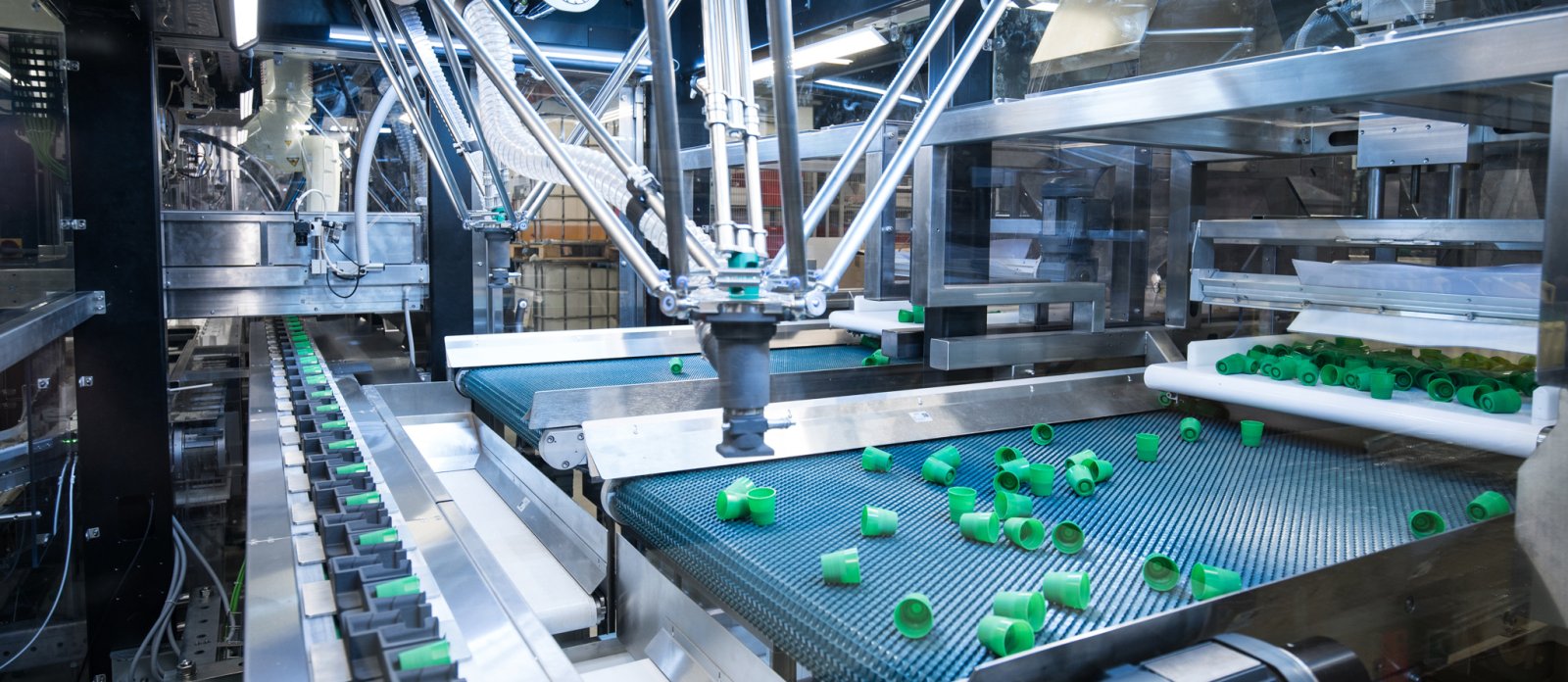
New bottle designs, different closure types and frequent packaging changes mean production lines must handle more formats than ever before
For manufacturers, format change parts remain an underestimated challenge. Each new bottle or closure requires dedicated components that must be designed, produced, tested and validated.
At the same time, production must stay stable and efficient. The challenge is simple to describe but difficult to solve: manage growing complexity without compromising performance.
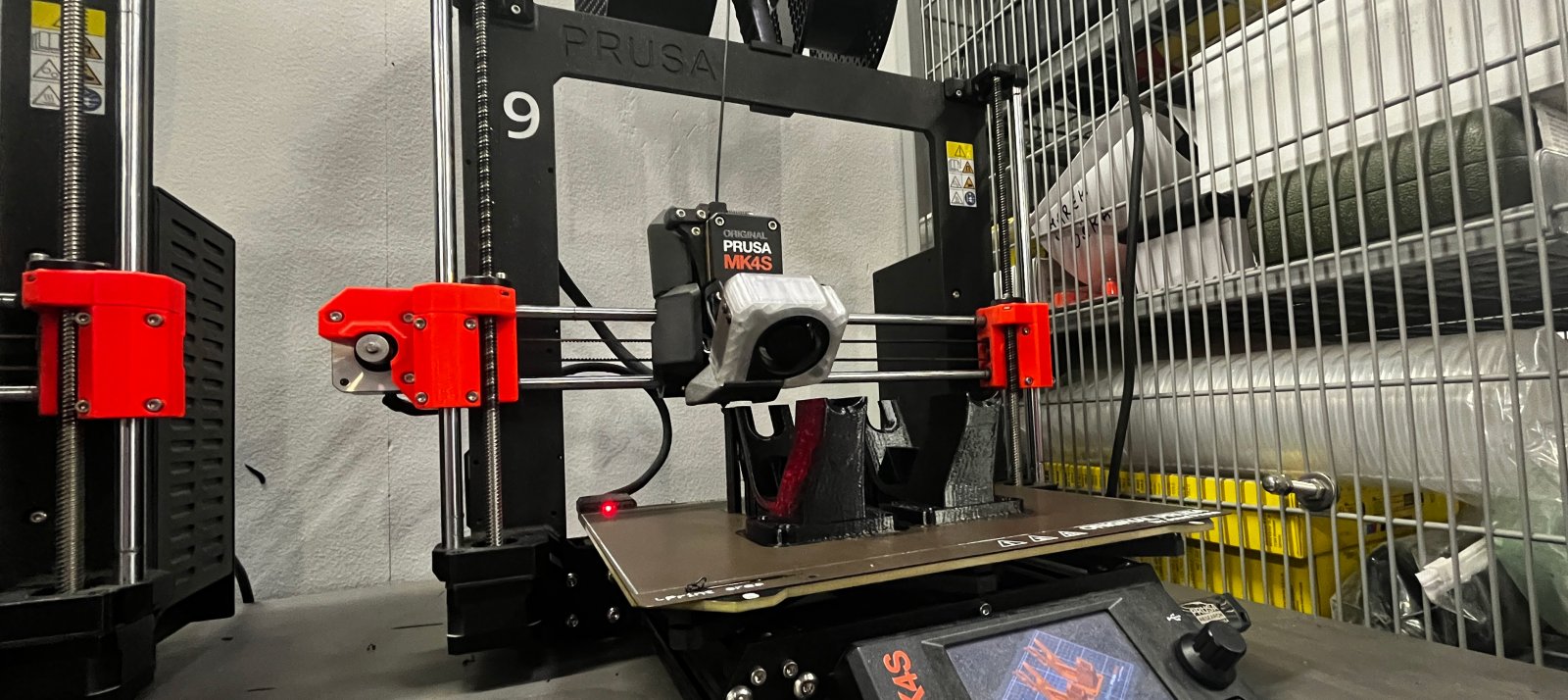
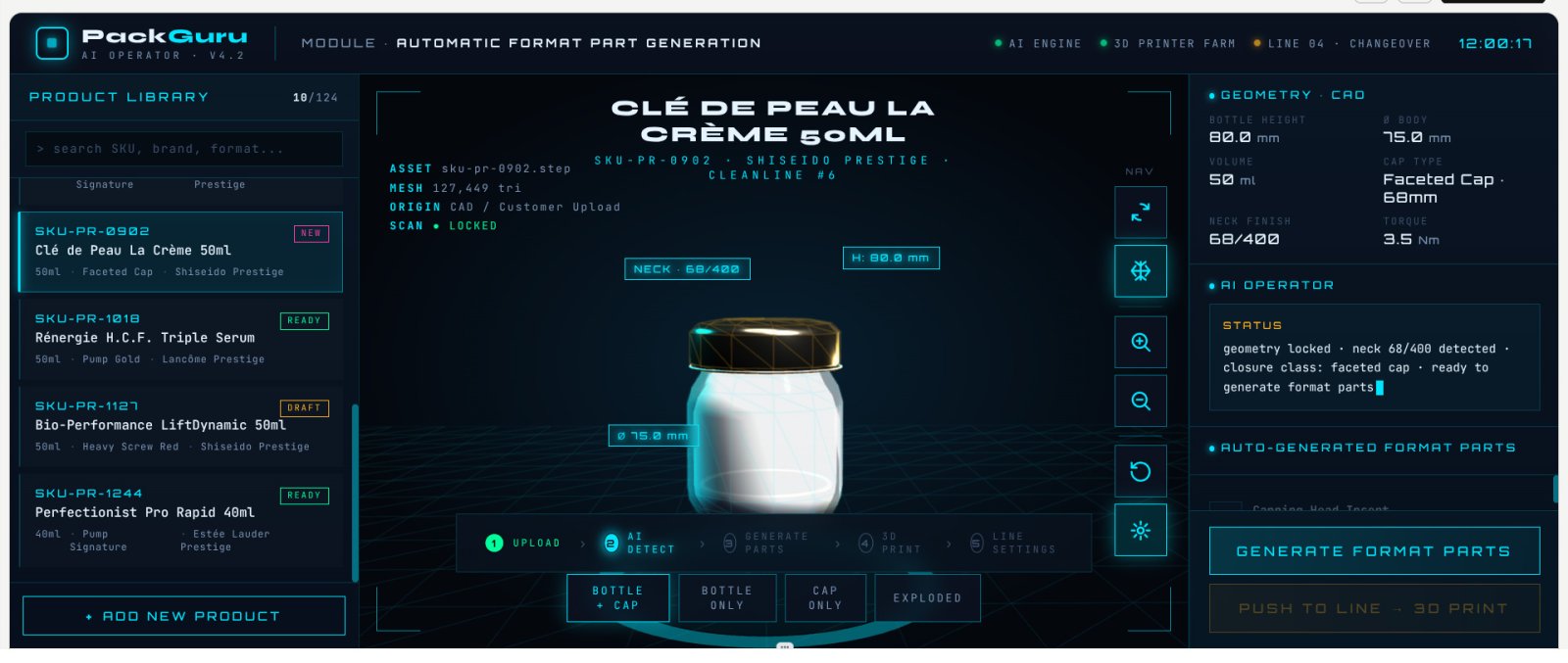
Additive manufacturing offers a practical solution. In Unilogo flexible systems, selected format parts can be produced using industrial 3D printing, reducing waiting time and accelerating new product development. But speed does not come from printed parts alone. The same product geometry that defines the part also helps prepare the machine recipe: target parameters, robot positions, vision checks and handling rules.
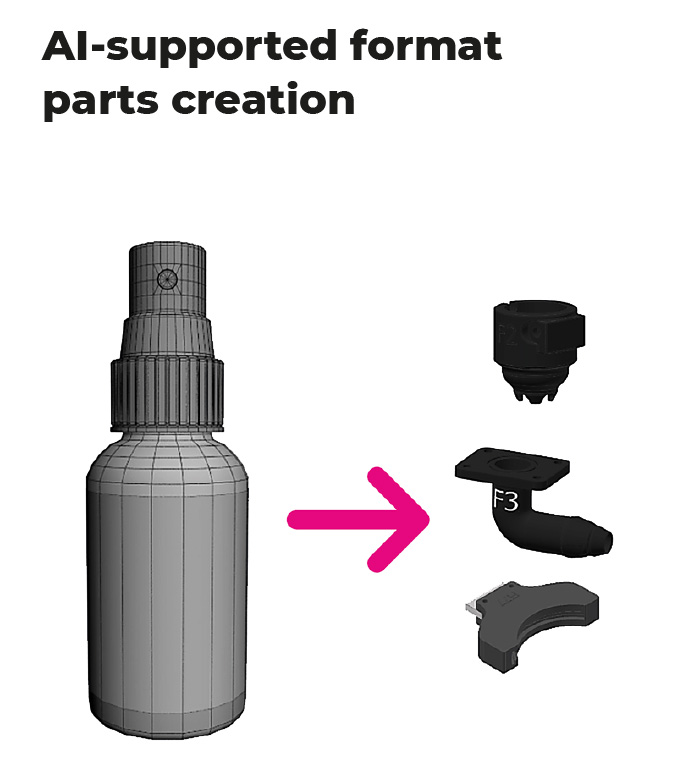
This is where Unilogo creates a more controlled route from concept to stable production. Product geometry supports two workstreams at once: the physical format parts and the digital machine recipe.
Format parts such as grippers, nests, guides and centering elements can be printed close to the factory.
At the same time, AI-supported tools prepare recipe values, robot movements, vision setup and defect recognition logic.
The result is a shorter, safer development loop. The line receives not only new parts, but also the knowledge needed to run them correctly
Brands continuously introduce new formats, special editions and product variations. Production needs to follow without long delays.
The process begins with analyzing bottle geometry, closure type and handling requirements. Based on this, teams prepare format parts, define machine parameters and verify compatibility with existing equipment.
Traditionally, this is time-consuming. Mechanical parts must be designed, produced and tested. Operators then adjust settings on the line, often through trial and error. Each new format adds complexity.