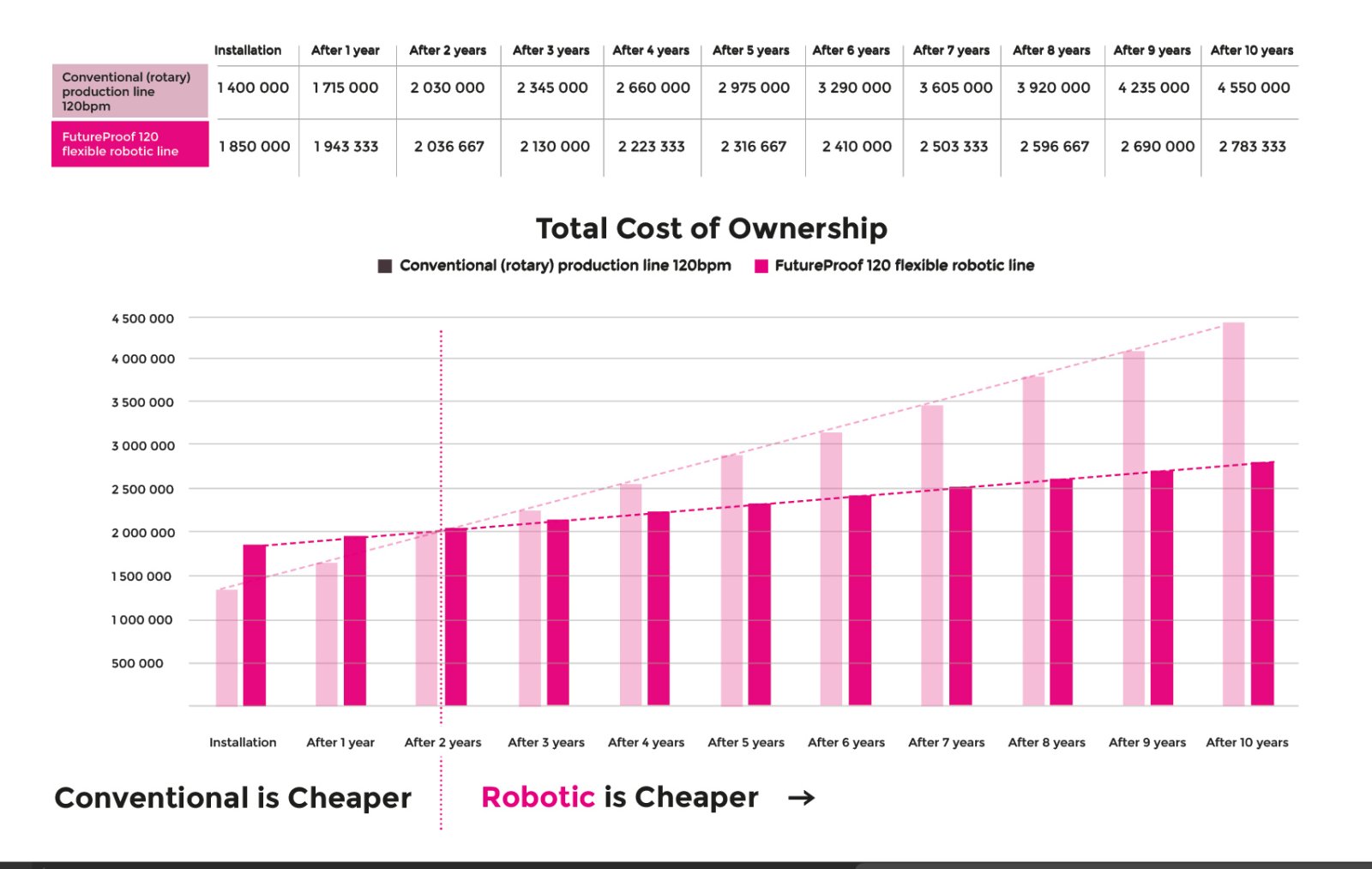
To truly understand the value of an investment, we must look deeper, at the Total Cost of Ownership (TCO).
The Illusion of “Cheaper”
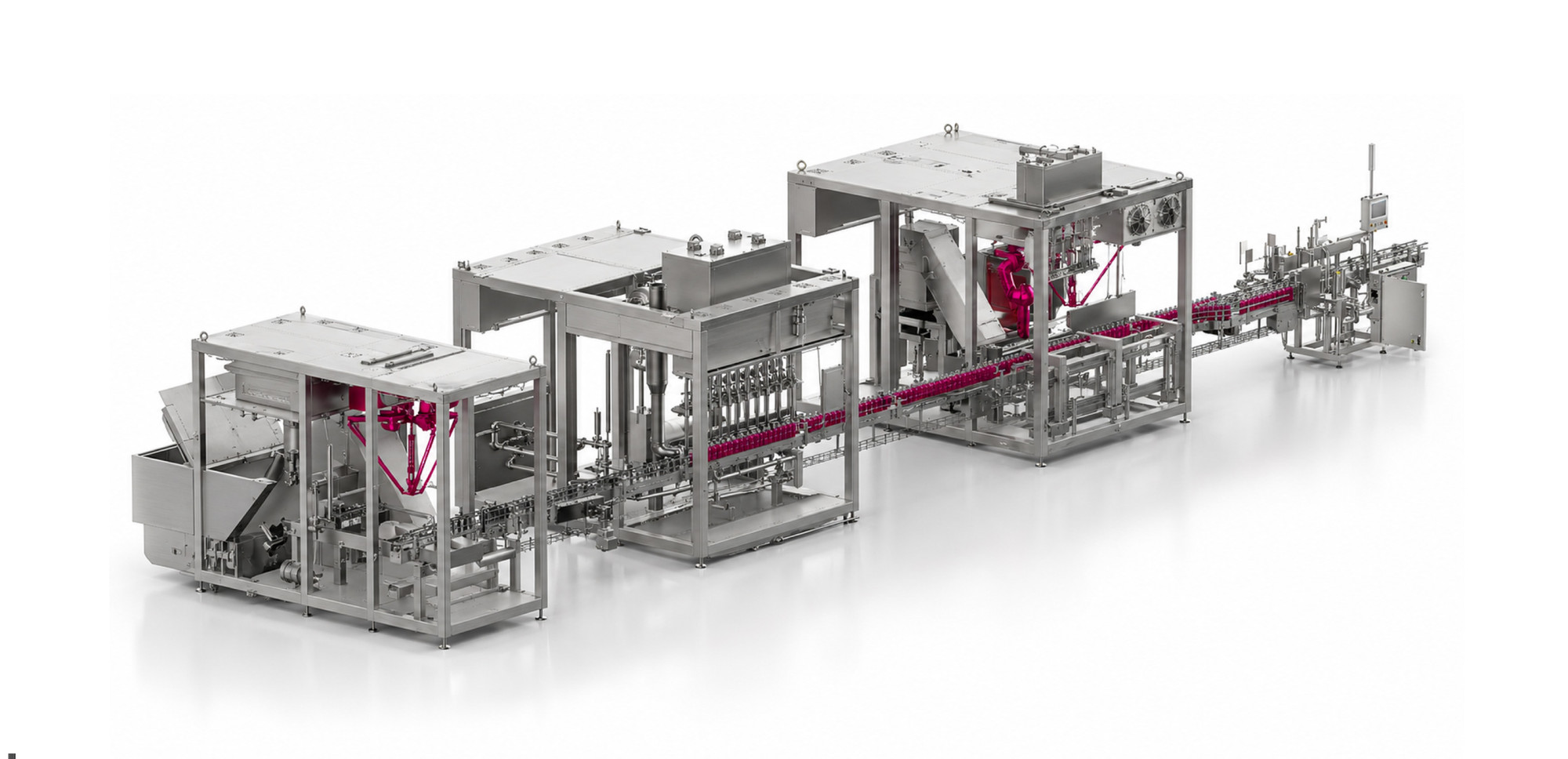
When evaluating production lines, conventional systems often appear to be the frugal choice. On paper, the technology is familiar, and the upfront costs may be lower compared to advanced robotic solutions. But as the adage goes, “CapEx is only the beginning”.
A true TCO analysis peels back the layers of daily
operation to reveal where money is actually being spent—or lost—over the lifespan of the equipment.
The most significant of these hidden costs? Time.
The high cost of downtime
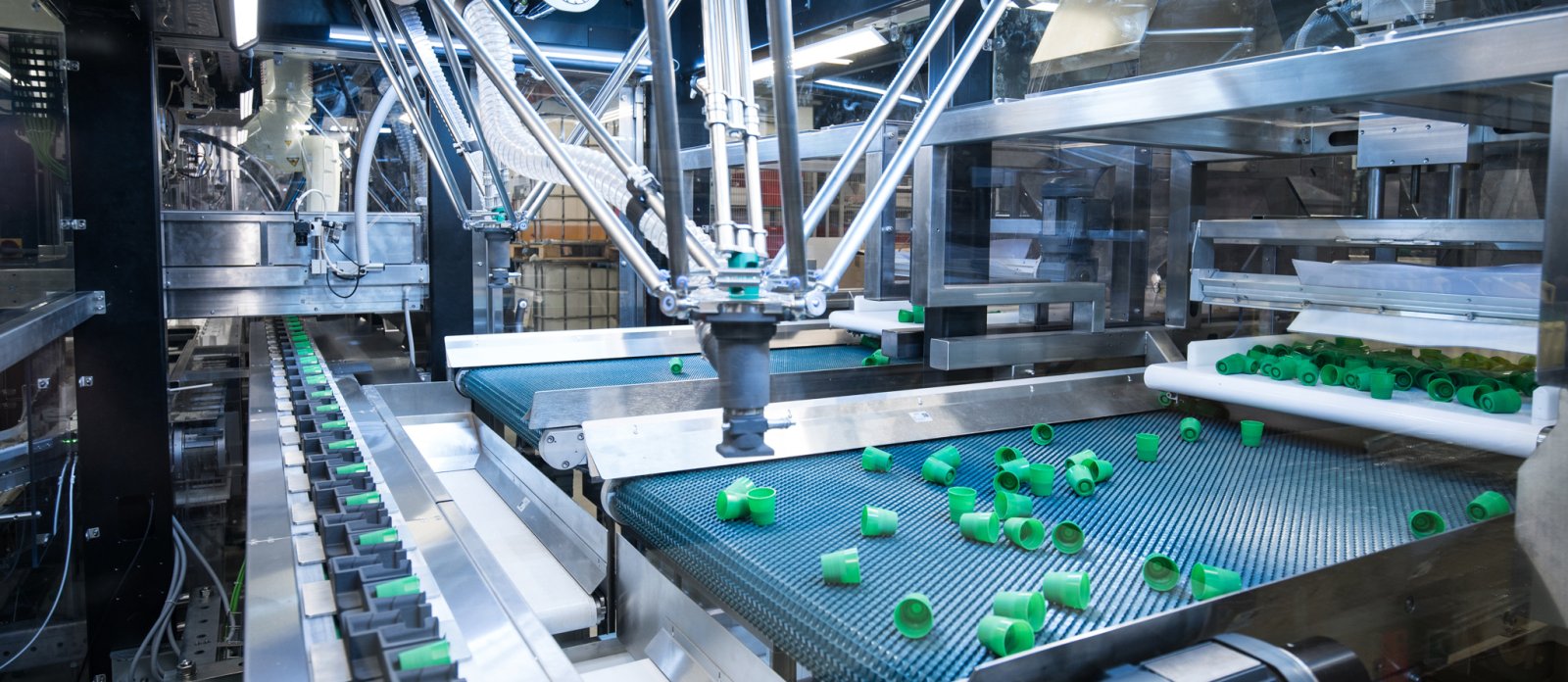
Consider a standard production scenario: two different concepts. One utilizing conventional mechanics, the other utilizing robotics. Both running at the same capacity of 120 beats per minute (7,200 bottles per hour).
In a typical facility operating 250 days a year with just one changeover per day, the costs of downtime accumulate rapidly. If line downtime is valued at 1,000€ per hour, every minute the machine sits idle is a direct hit to profitability.
The robotics advantage:
a case study in efficiency
Data from recent TCO analyses illustrate a stark contrast between conventional and robotic flexibility. The conventional approach: A standard mechanical changeover can take up to 120 minutes.
Over the course of a 250-day working year, this results in a staggering annual changeover
cost of 250,000€
By prioritizing TCO over CapEx, businesses can invest in technology that pays for itself through superior efficiency, turning potential downtime into production time.
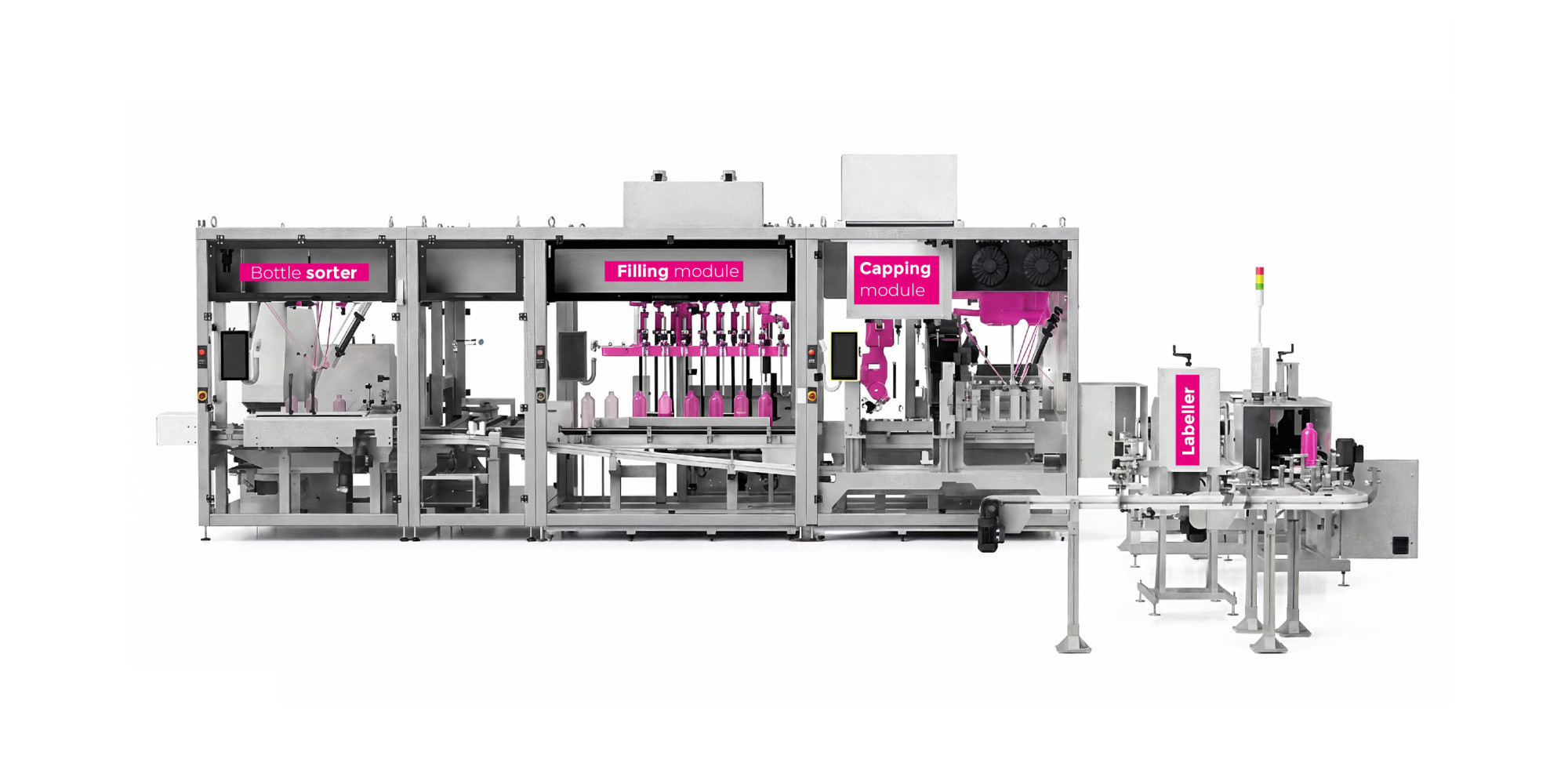
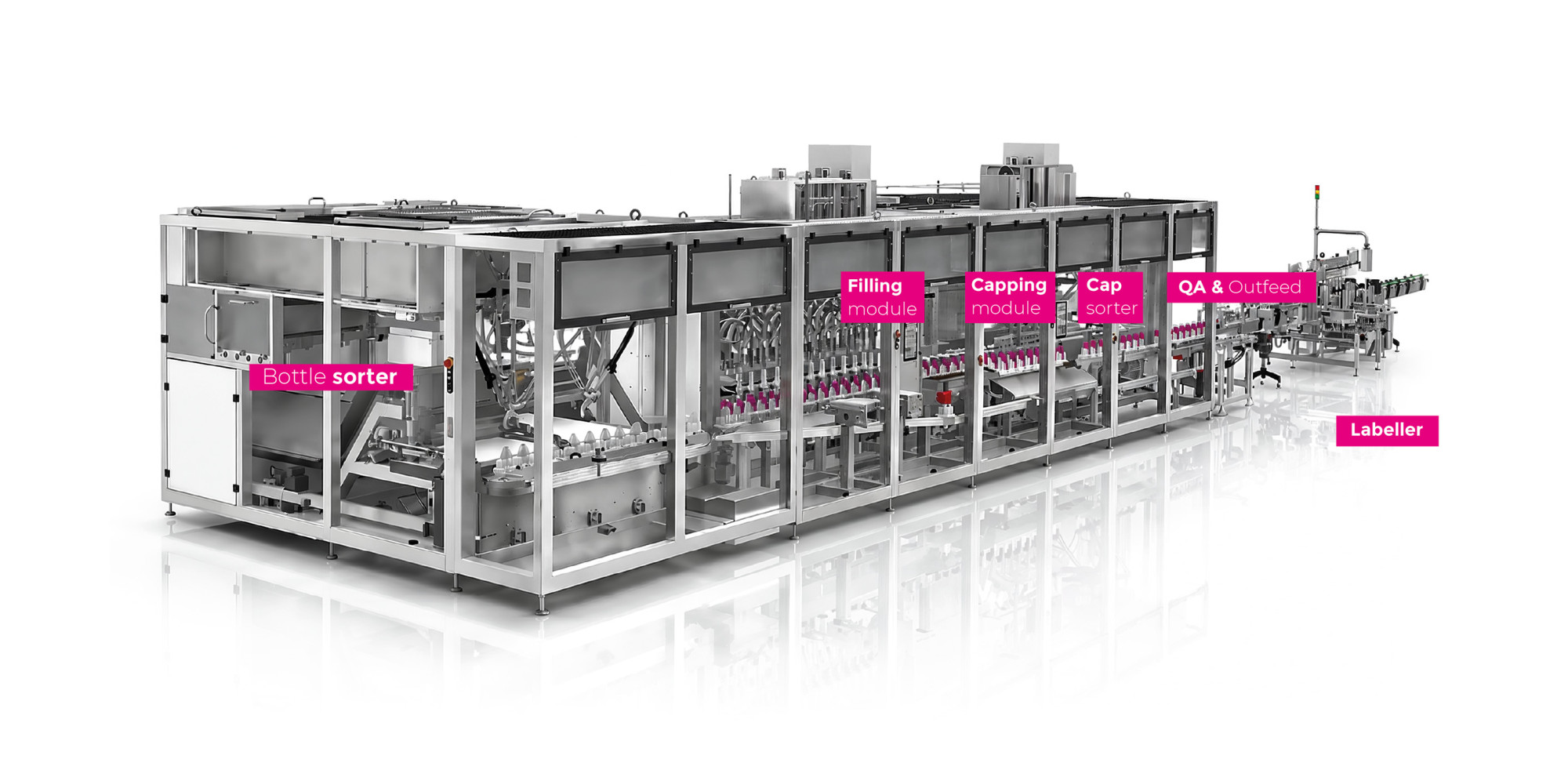
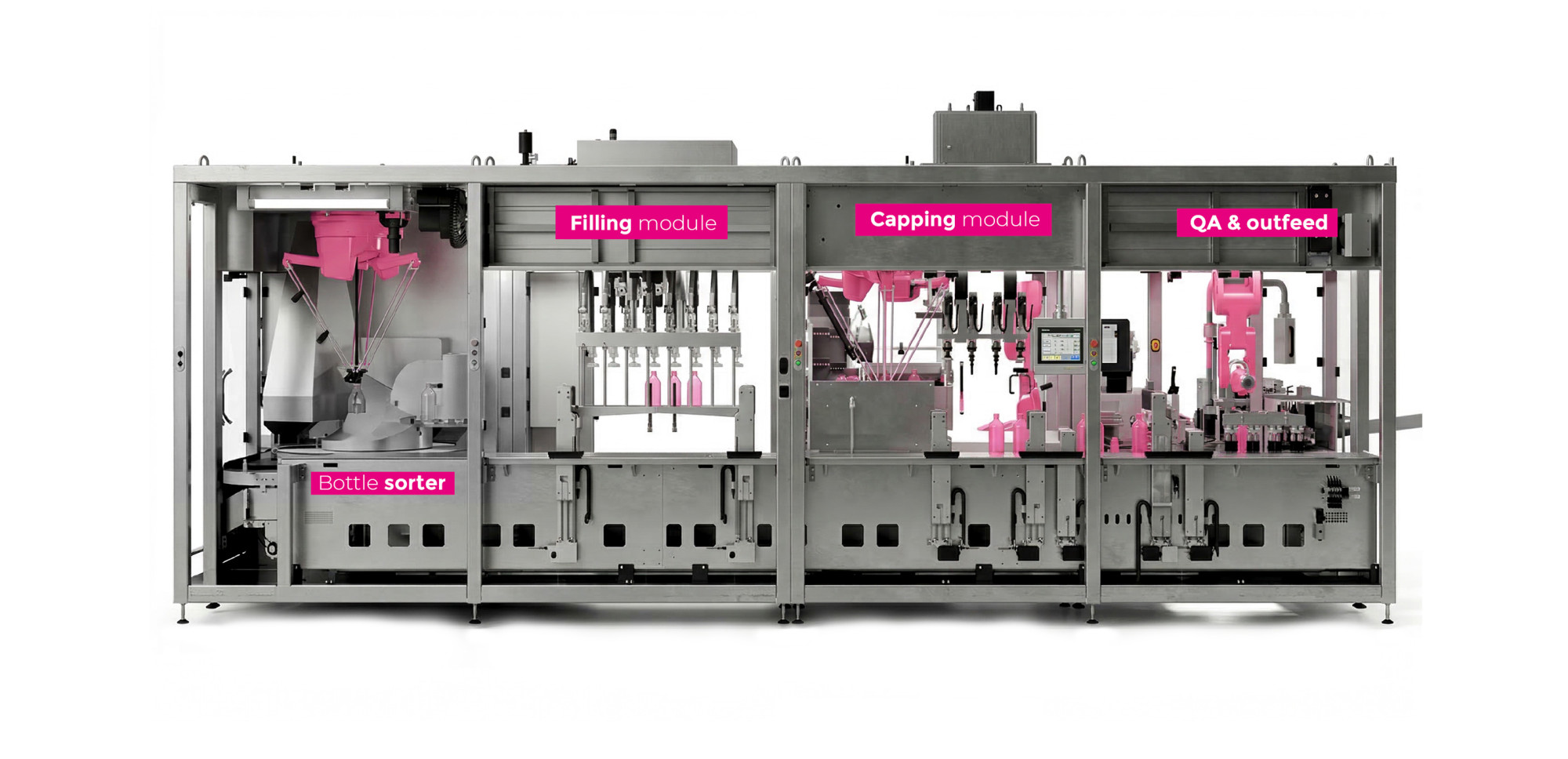
The robotic solution: Advanced robotic systems drastically reduce this downtime. With a changeover time of just 40 minutes, the robotic line achieves the same switch with a fraction of the disruption. The annual cost drops to 83,000€.
The verdict
The math is compelling. By reducing changeover times by two-thirds, the robotic solution saves €167,000 annually in downtime costs alone. Over a multi-year period, these operational savings not only offset the potentially higher initial investment of robotics but eventually eclipse the total cost of running a conventional line.