You’ve been with Dermapharm for nearly a quarter of a century. How has the landscape of production changed in that time?
In this candid conversation, we spoke with a long-standing representative from Danish skincare manufacturer Dermapharm about how they transformed their production capabilities. Facing rising complexity, they turned to Unilogo to solve challenges that seemed insurmountable with traditional equipment. The company operates both its own brand while also developing private-label solutions for partners worldwide.
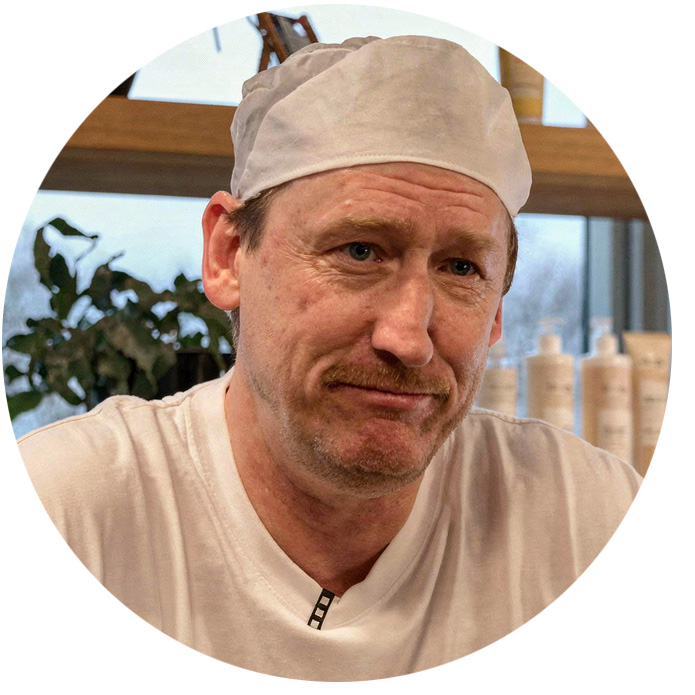
Jim Kjær:It’s a completely different world. I’ve been here for almost 24 years. When I started, the job was relatively simple because there weren’t many different bottle shapes, so we didn’t have to change over that much—it was almost the same bottle every time. But right now? We are producing around 1,800 different numbers and something that was much more automated.
That sounds like a logistical nightmare for a traditional factory. How did you manage that level of variety?
Jim Kjær: It became a real challenge. We have to change over very, very often, and that takes time. We knew we needed a solution. We were trying to find a machine that would be easier to change over—something where we could use operators instead of technicians to do the work, and something that was much more automated.
And that’s when you found Unilogo. What was your first impression?
Jim Kjær: Honestly? We fell in love with the machine right away. We looked at it and just thought, “Hmm, that’s the future”.
“The future” is a big claim. What makes the Unilogo solution so powerful compared to your old lines?
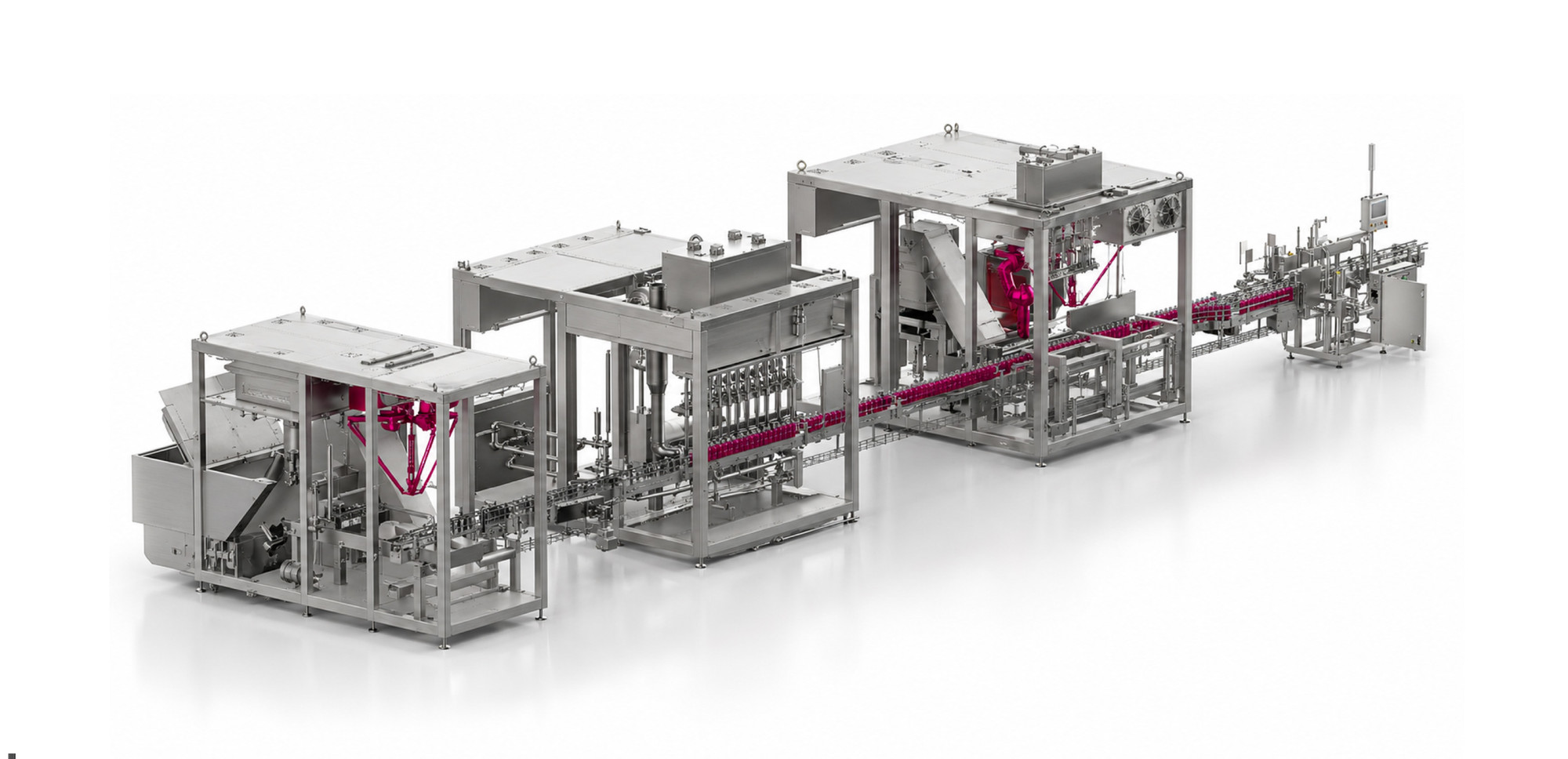
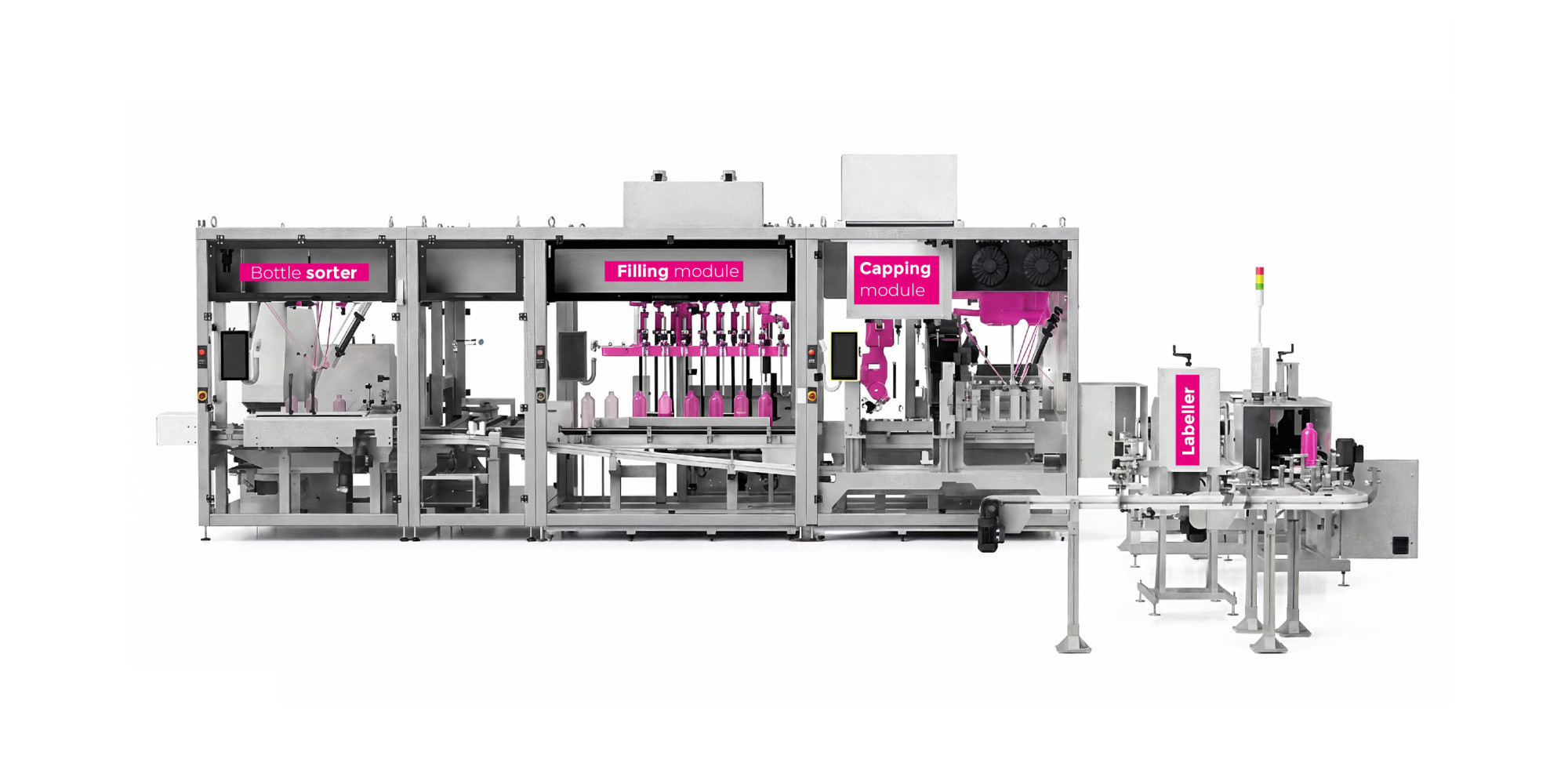
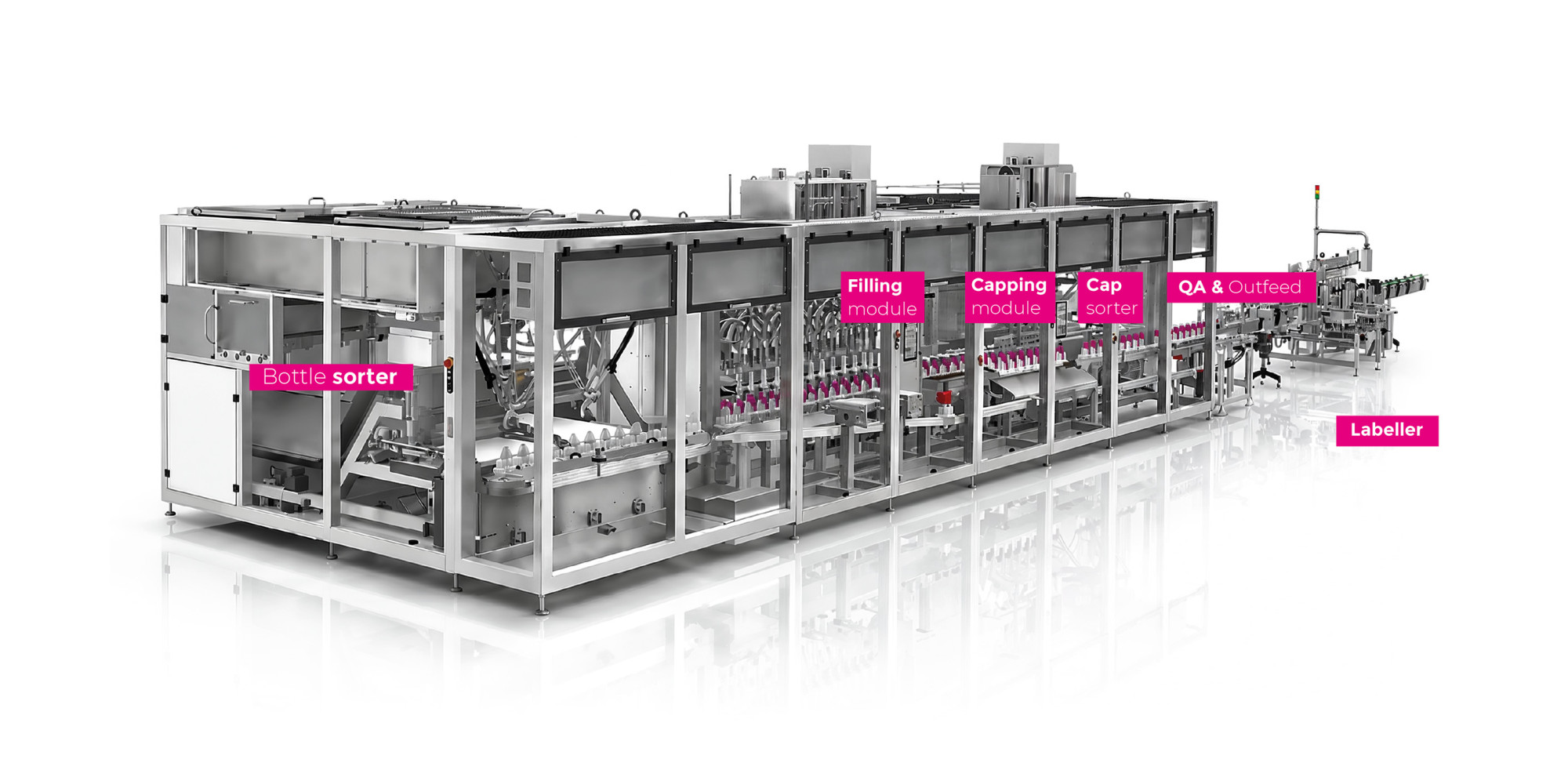
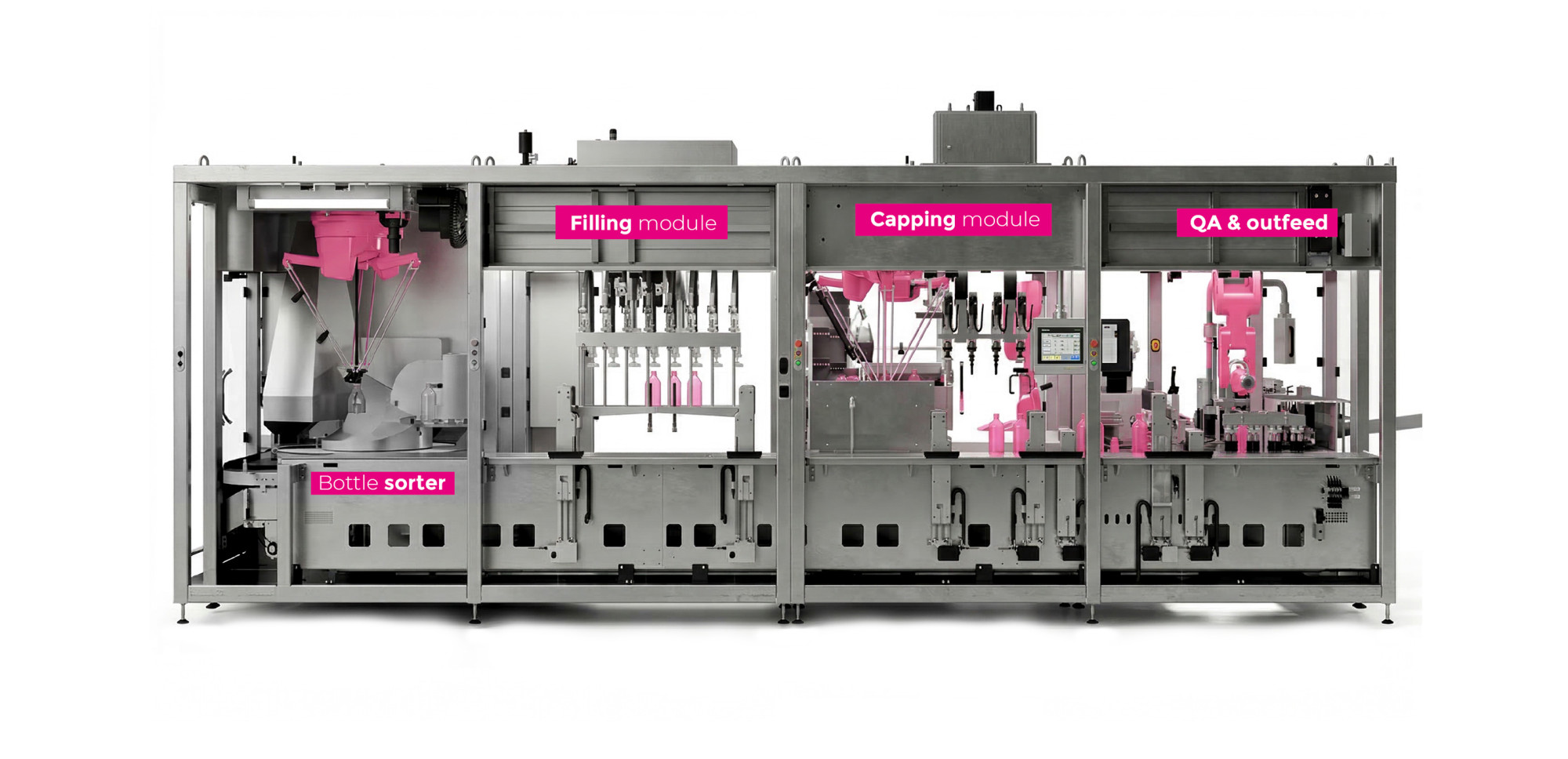
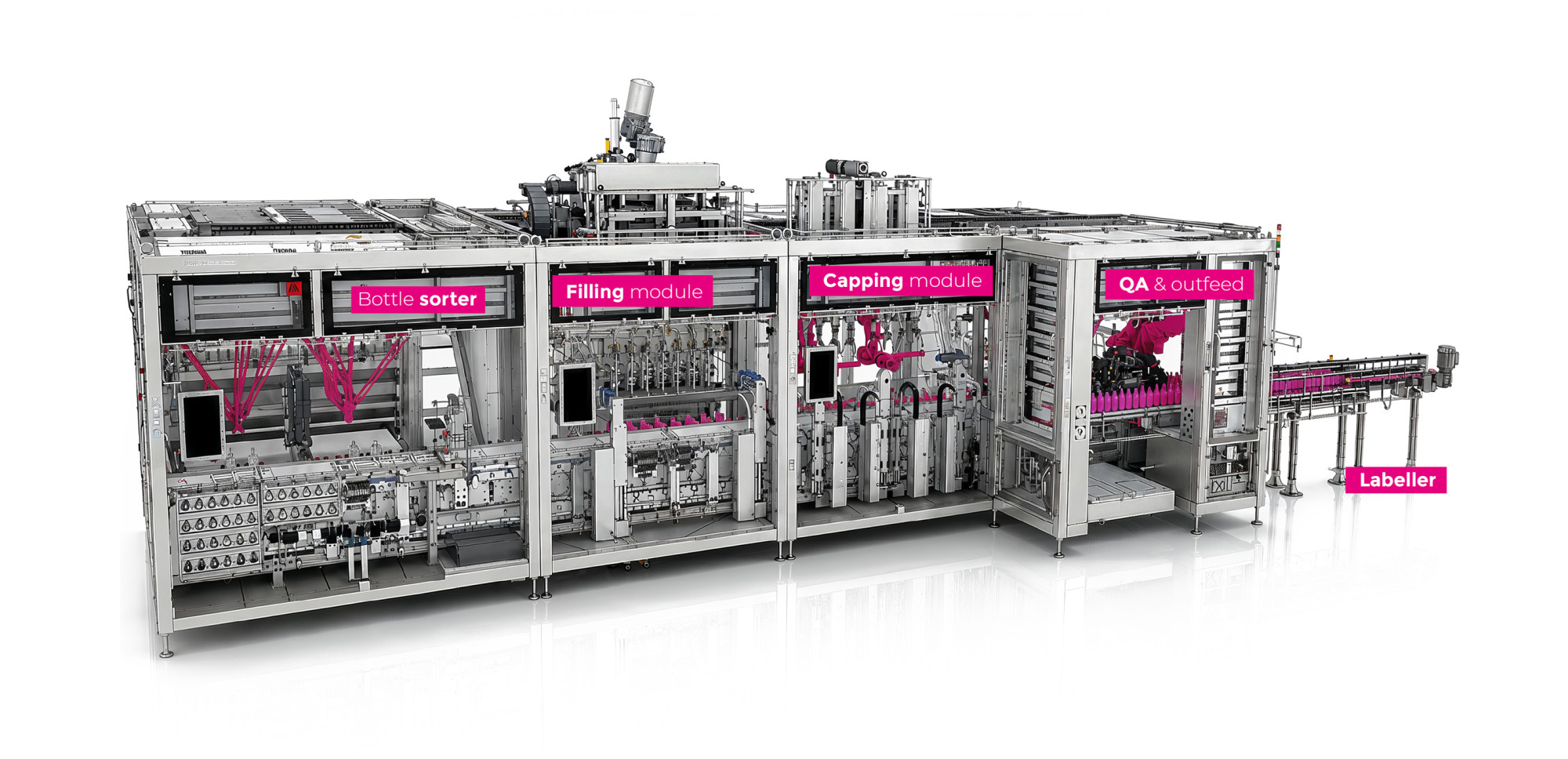
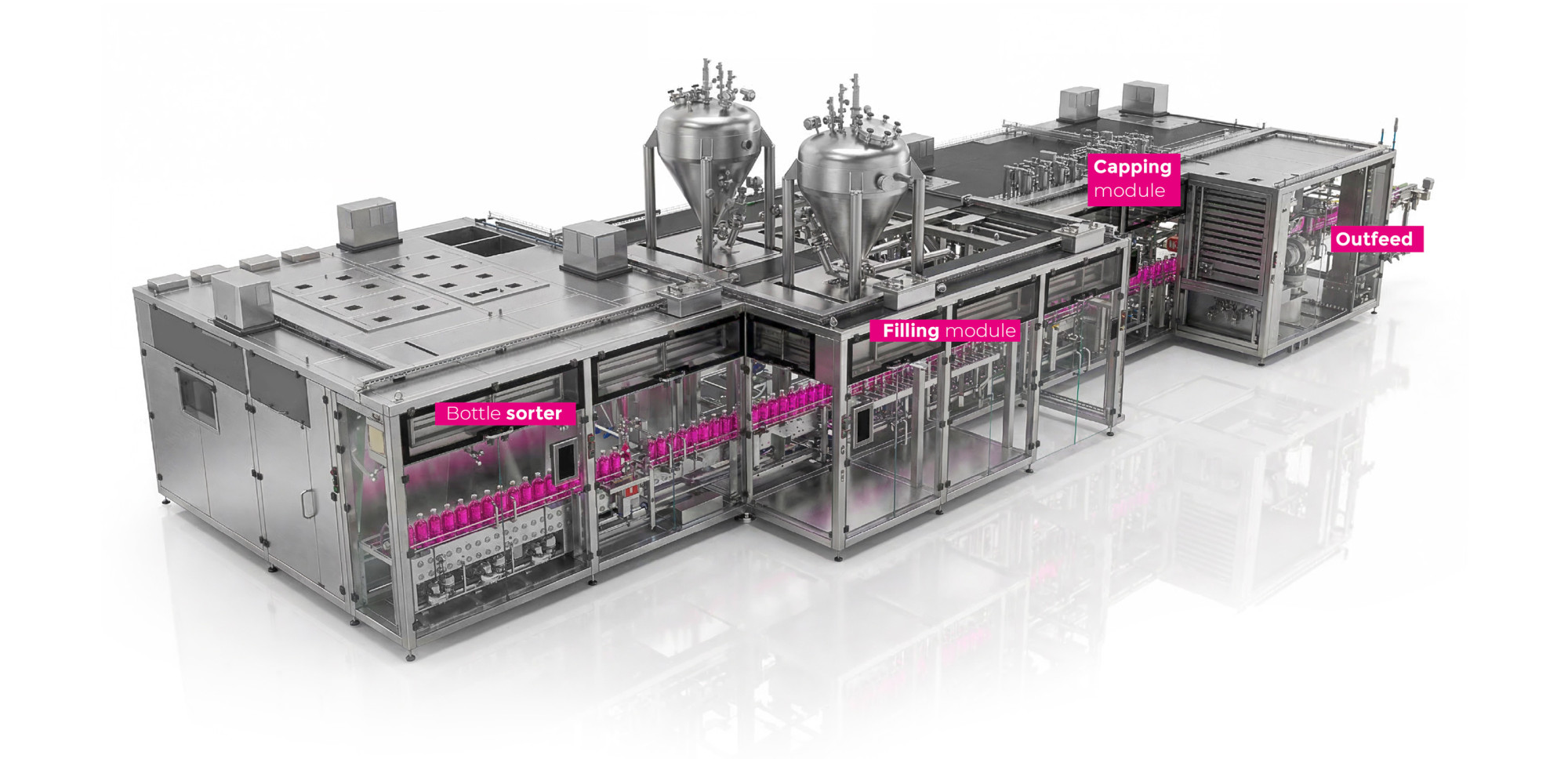
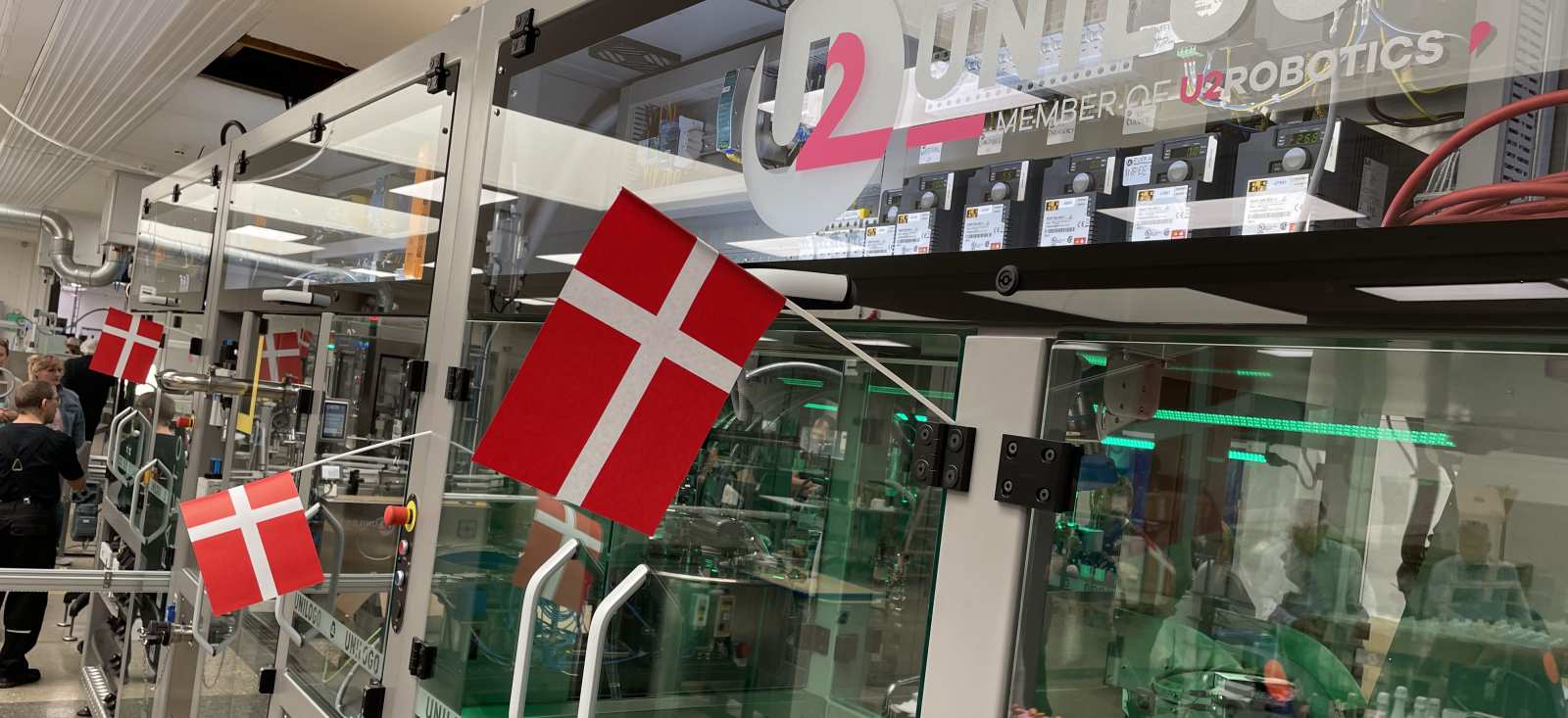
Jim Kjær: The efficiency and the footprint are unmatched. To give you an idea, the old lines required around 300 square meters to achieve this production. The Unilogo Cleanline? It takes up around 80 square meters. It doesn’t take up much space at all. And yet, it has the same output as three or four of the old lines combined.
That is an incredible reduction in space for that level of output. Did it solve the changeover time issue you mentioned earlier?
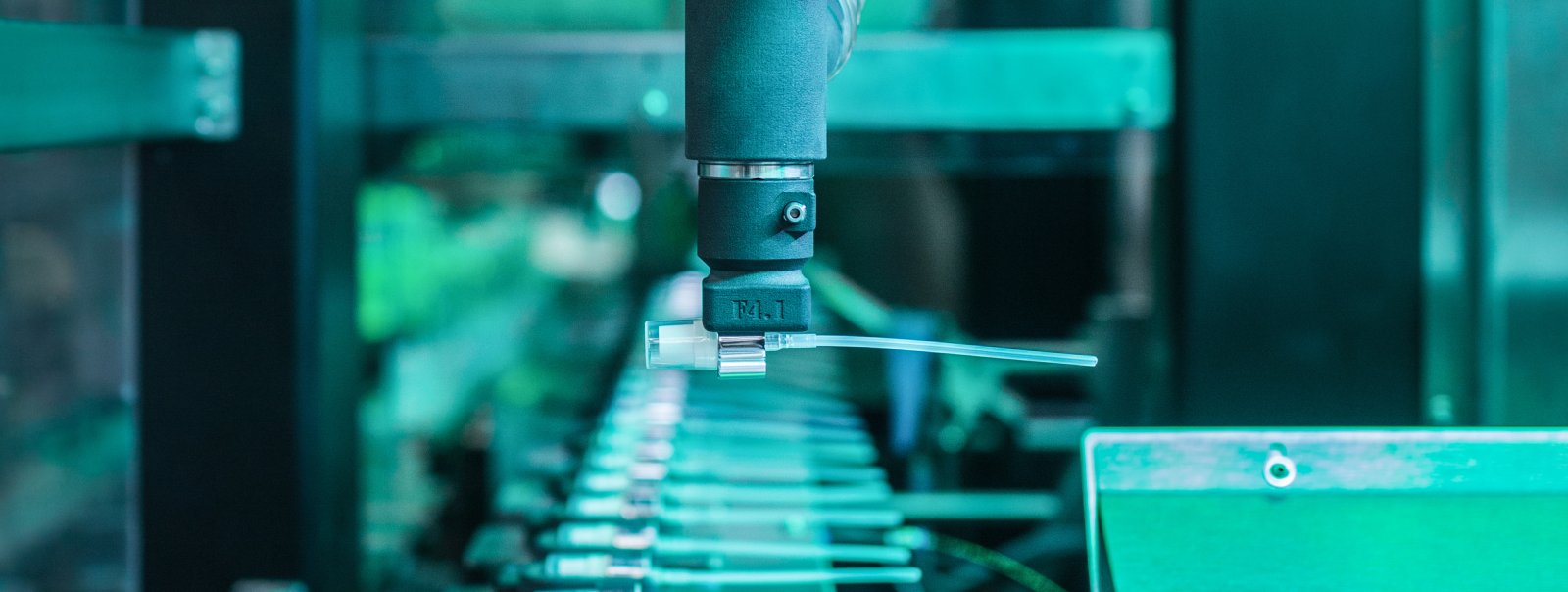
Jim Kjær: Absolutely. In the past, the changeover time would often be around three hours. Now, we can go down to about 40 minutes. It’s incredibly intuitive—it’s just pressing some buttons, and the machine shifts to the other bottle. It recognizes the bottle, the cap, or the dispenser automatically so it can pick it up and put it in the track.
It sounds like Unilogo has made the process almost effortless. How has this impacted your day-to-day management of the floor?
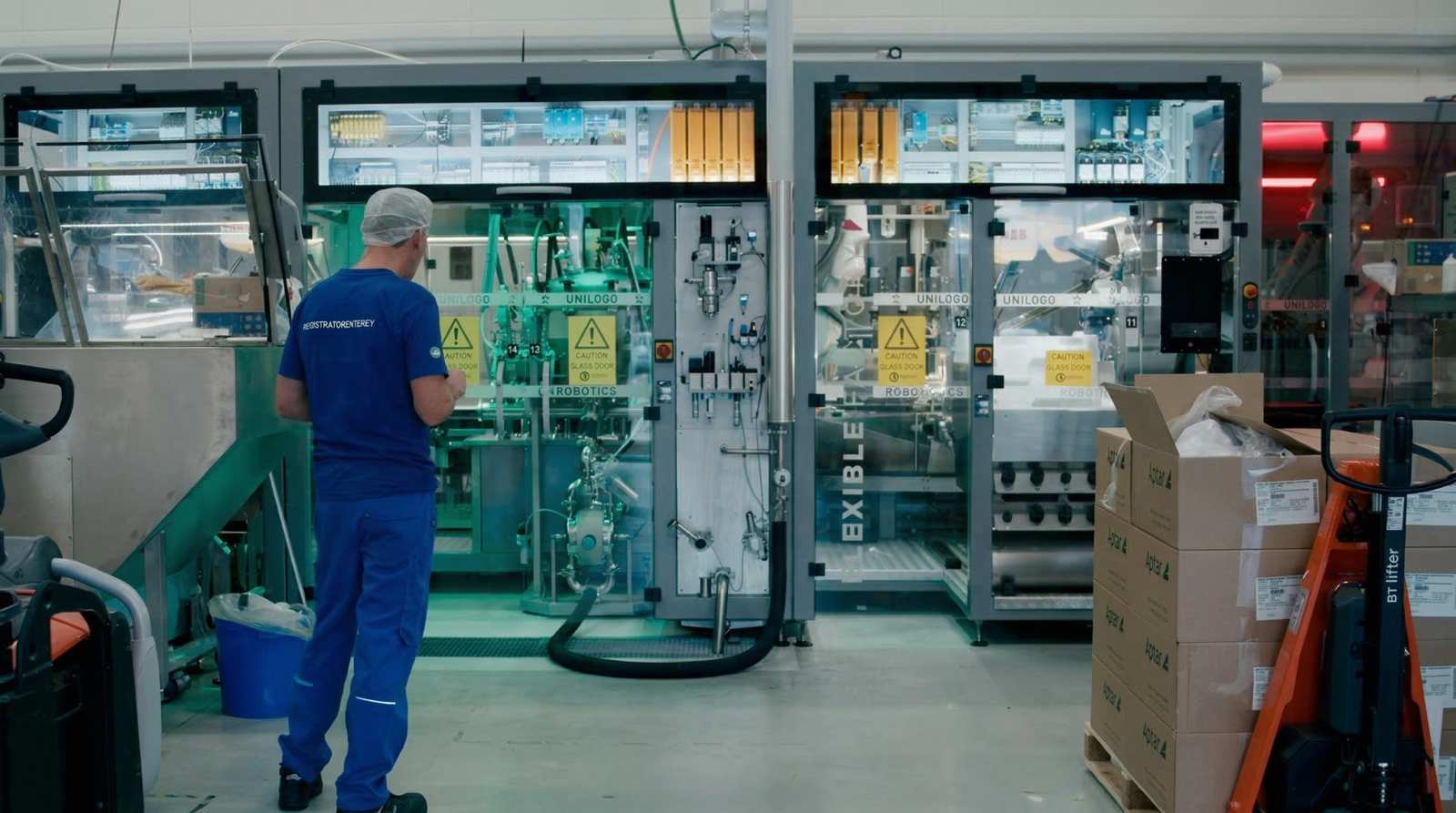
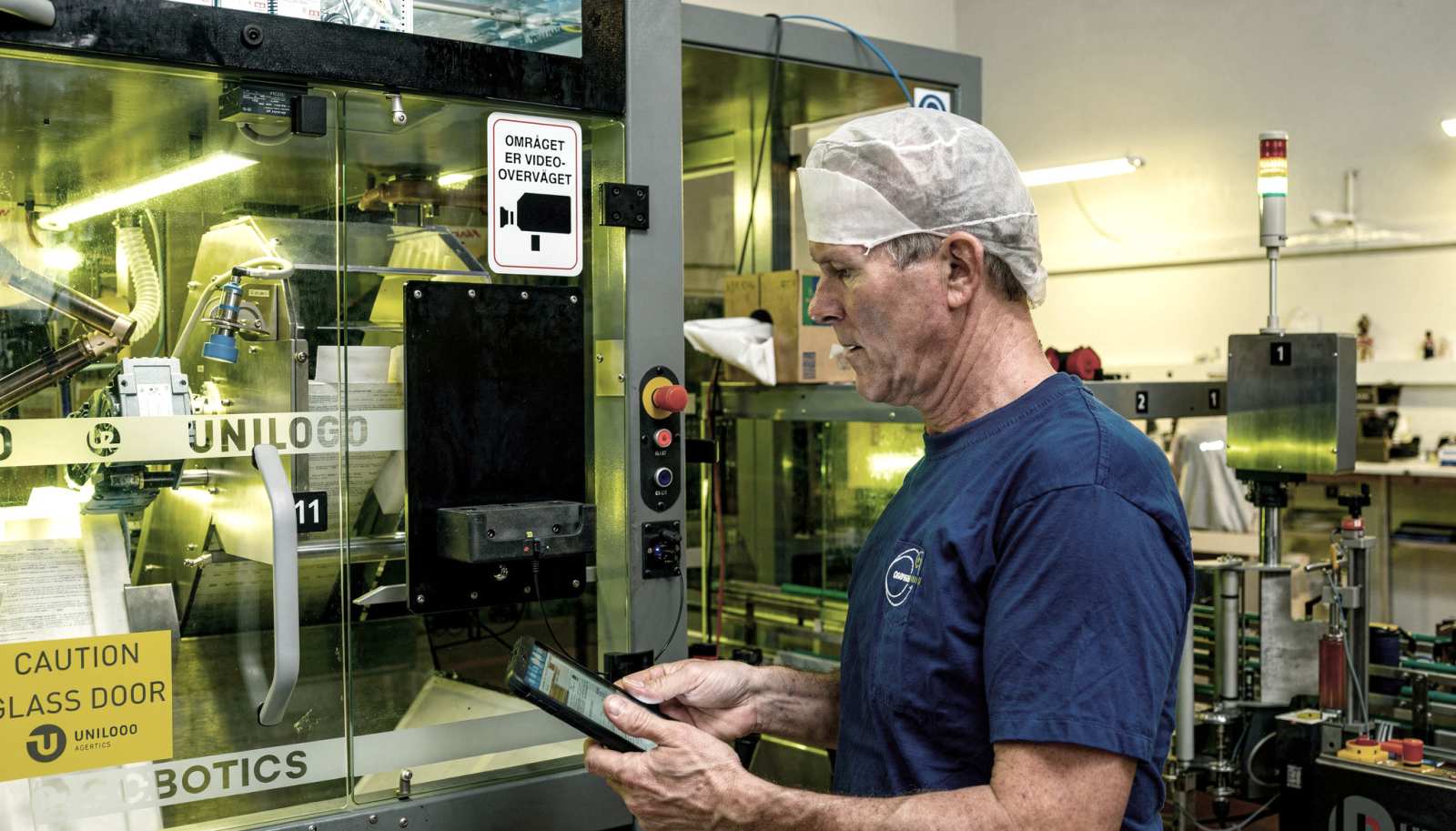
Jim Kjær: It’s very easy to work with. We just put in bottles, dispensers, and a vessel with the product, and a finished bottle comes out the other end. Plus, the control is flexible. There are two small tablets you can detach and take with you to control everything. I can even monitor it on my phone.
On your phone?
Jim Kjær: Yes. It’s great when you are sitting in a long meeting and wondering, “How is it running? Is everything okay?”. I can just take out the phone and see that the robot is still moving and the light is green.
It sounds like Unilogo didn’t just provide a machine; they solved the problem of modern manufacturing flexibility.
Jim Kjær: Exactly. For companies that want less stock, we can now make smaller batches and make them faster. It’s changed everything for us.