
Dali Mavrinac doesn’t talk about machines the way most people in the automation industry do. He doesn’t open with throughput numbers or technical specifications.
A conversation with Dali Mavrinac, Executive Director of Unilogo Robotics USA
and former Technical Manager at L’Oréal

He opens with what happens after the installation team leaves, when the real life of a production system begins. That perspective was shaped by years inside L’Oréal’s manufacturing operations, and it follows him everywhere.
You spent years on the client side at L’Oréal before moving to a machine builder. What actually changed?
Dali Mavrinac: Inside a factory, you don’t see machines, you see consequences. Every technical decision has a human and financial impact. When a line stops, it’s not just downtime. It’s delayed shipments, stressed operators, uncomfortable calls with headquarters. When I moved to the supplier side, I didn’t become fascinated by the machines themselves. I became even more aware of responsibility. Because I know exactly what’s waiting after installation.
What do machine builders typically get wrong about factories?
Dali Mavrinac: They underestimate variability. Real production is not a controlled demonstration. Materials differ slightly batch to batch. Operators have different levels of experience. Marketing launches products that weren’t planned six months earlier. A machine builder proudly says: “It runs at 120 pieces per minute.” A factory manager asks: “What happens during a format change on the third shift?” Those are two completely different conversations and the second one is the one that matters.
Where do factories actually lose money?
Dali Mavrinac: Rarely in spectacular failures. Those are visible, they get immediate attention, and they get fixed. The real losses are quiet. Extra hours per changeover. A bit more scrap during adjustments. A system that needs a specialist every time something shifts slightly. Extra inventory held because flexibility is too limited to respond fast enough. Individually, each of these seems manageable. Over a year, they define profitability. That’s something you learn quickly inside a global organisation, that operational excellence is not dramatic. It’s systematic.
You talk a lot about flexibility. What does it actually mean to you?
Dali Mavrinac: lexibility isn’t about being able to do everything. It’s about adapting without chaos.
In cosmetics, SKU proliferation is constant. Product life cycles are shorter. Marketing moves fast. If your line requires hours of mechanical intervention to switch formats, that’s not flexibility, that’s fragility. True flexibility reduces stress. It allows teams to react without losing control. That’s a strategic advantage, not a technical feature.
Has your background changed how you evaluate automation?
Dali Mavrinac: Completely. I don’t start by asking how fast a system runs. I ask how it behaves when things are slightly imperfect. How dependent is it on one experienced technician? How intuitive is it for operators who didn’t build it? How repeatable are changeovers across shifts? How much hidden complexity is sitting beneath the surface? Technology should simplify the ecosystem of a factory. If it adds complexity disguised as innovation, it eventually becomes expensive in ways nobody anticipated at the point of purchase.
Many companies still make decisions primarily on purchase price. Is that a mistake?
Dali Mavrinac: It’s understandable. CapEx is visible. It’s negotiated. It’s approved at board level. Everyone can point to it. But OpEx is where reality lives. Energy consumption, scrap, maintenance, training, downtime, these are daily costs. They don’t appear dramatically, but they accumulate. The smartest organisations shift the conversation from “How much does it cost?” to “What will it cost us every day for the next five to seven years?” That’s a different level of maturity and it leads to very different decisions.
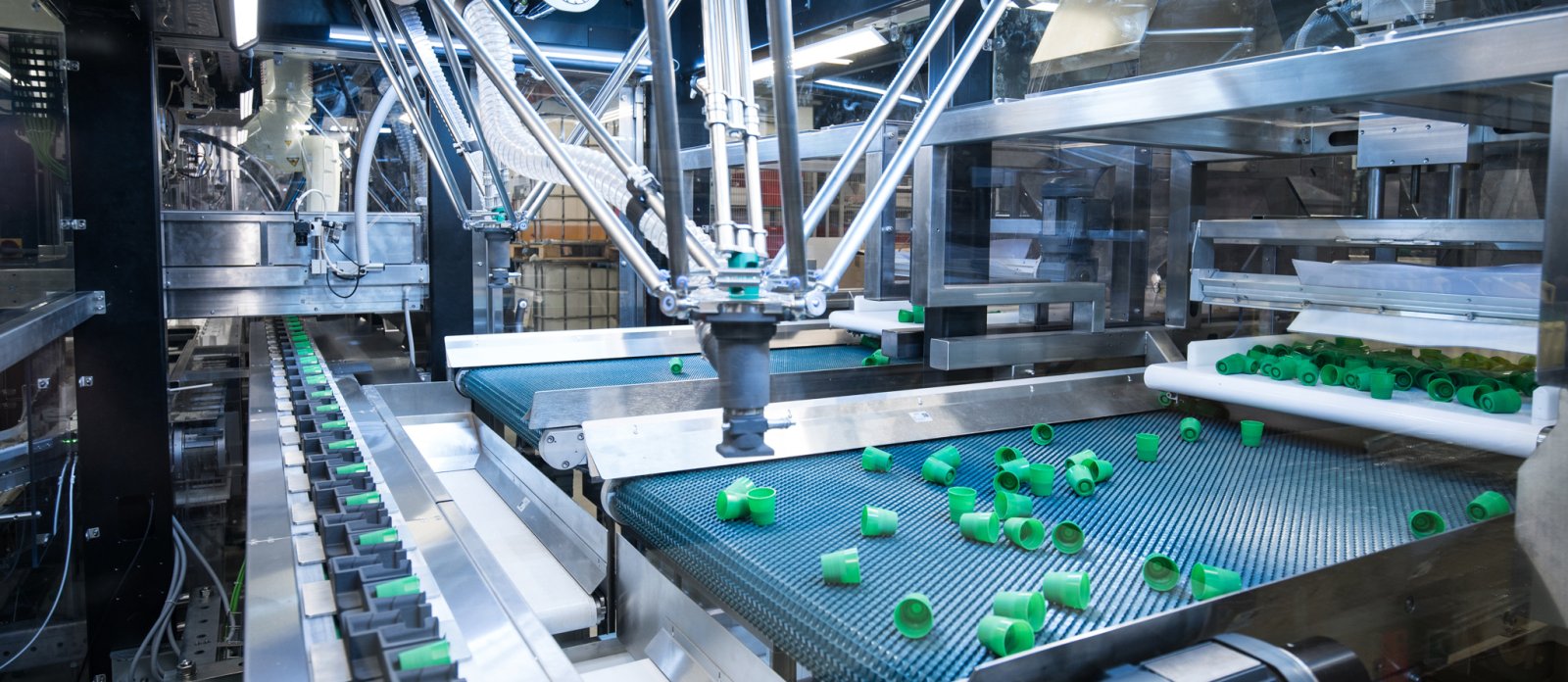
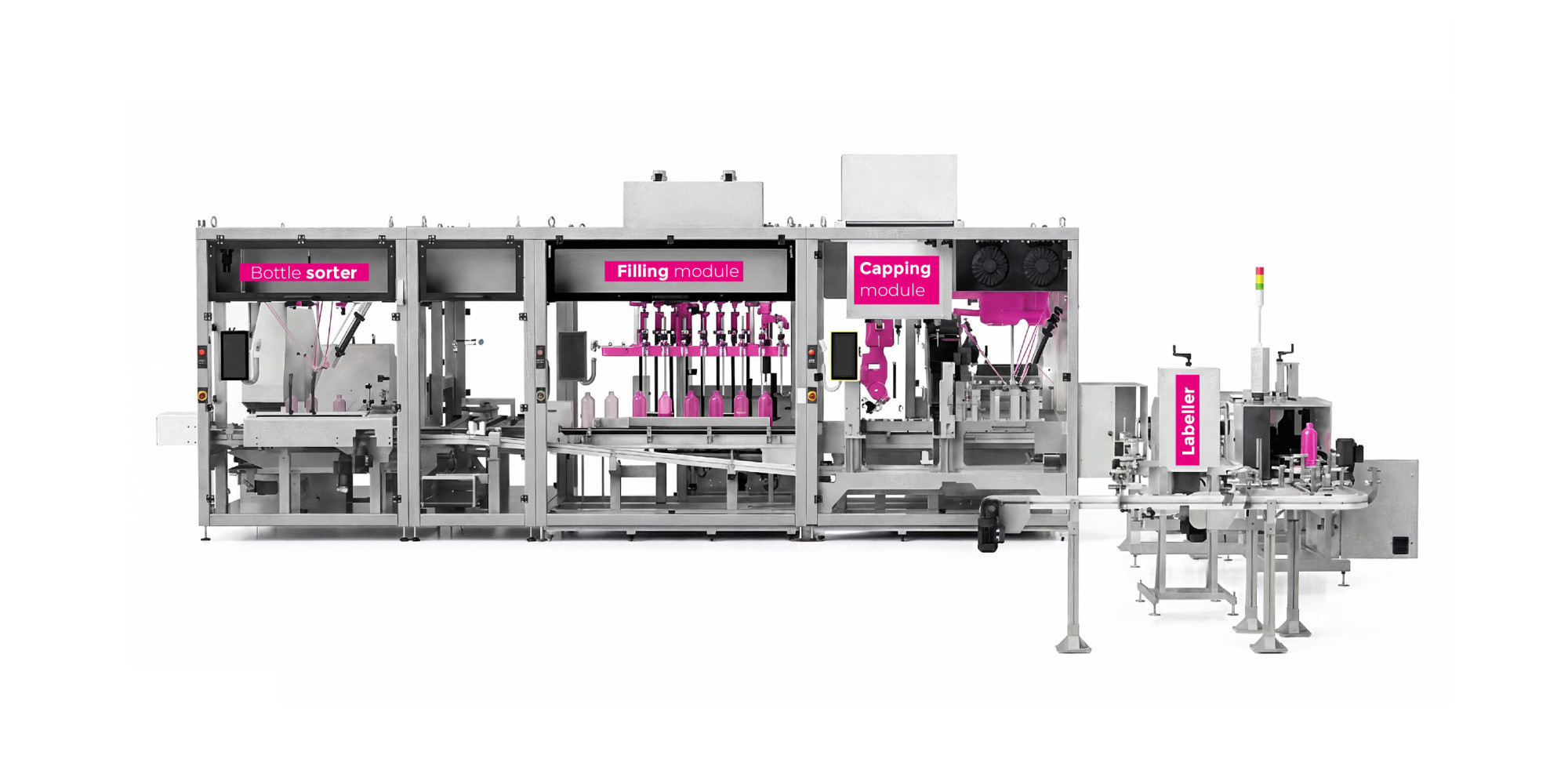
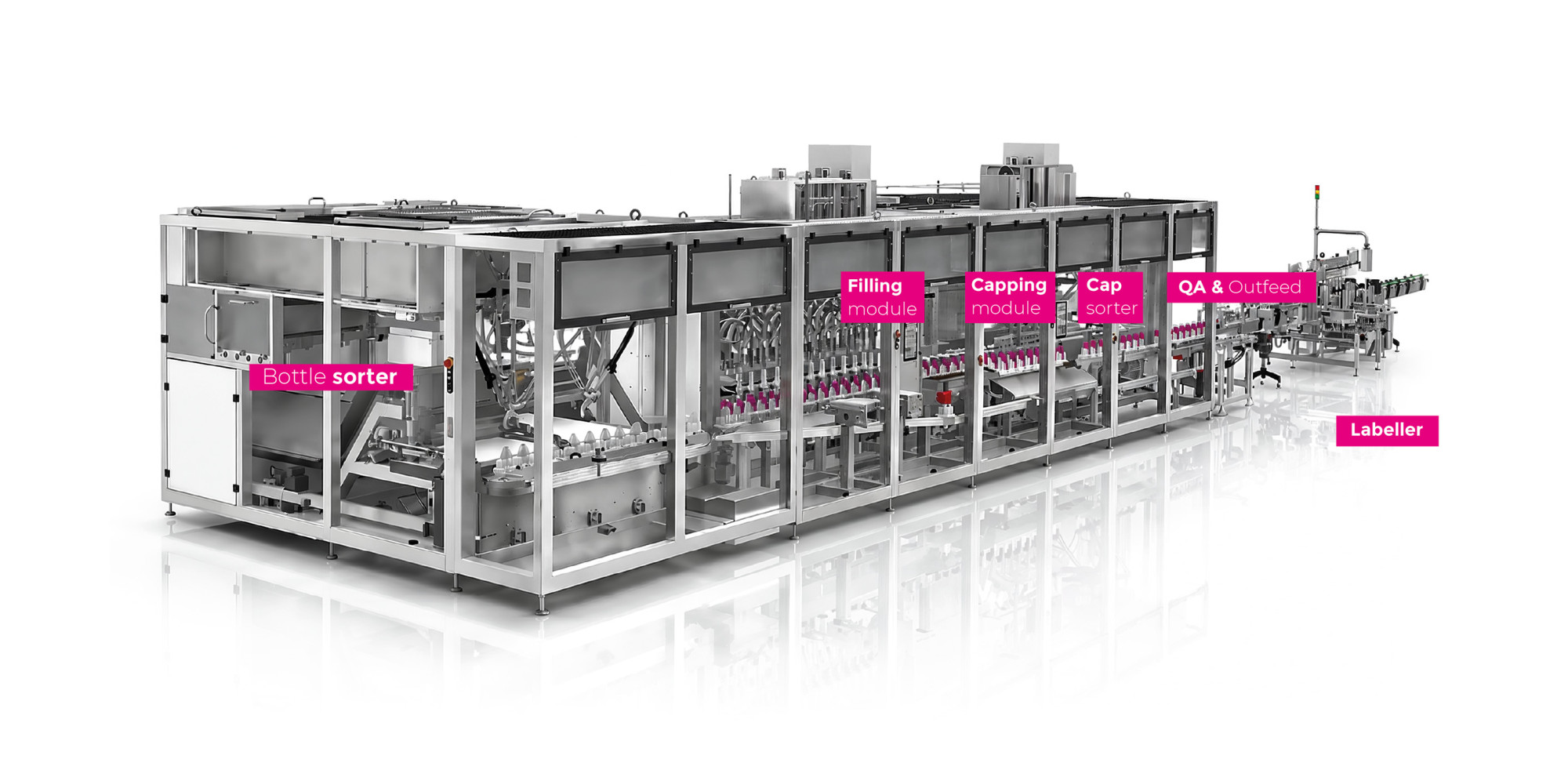
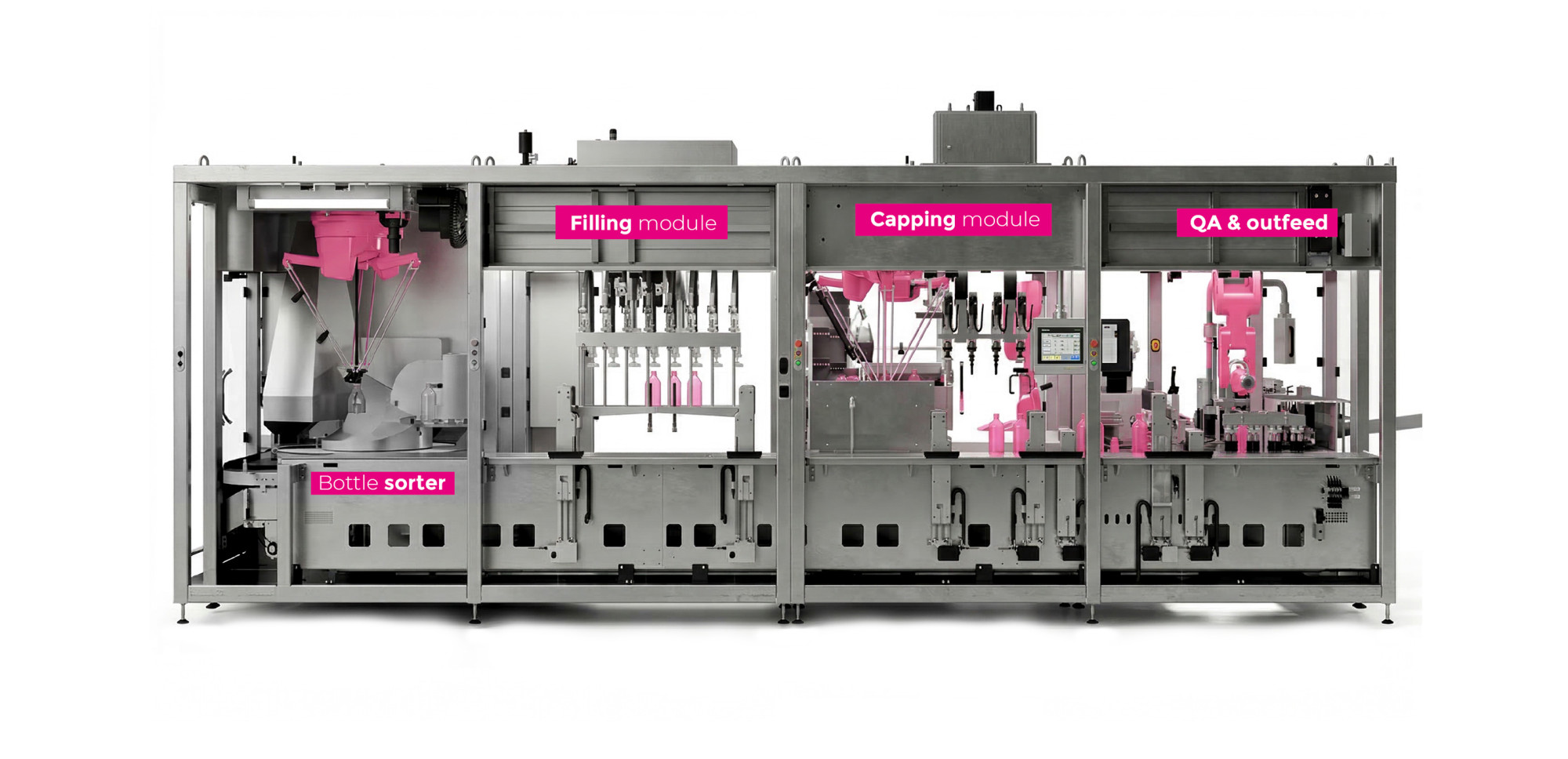
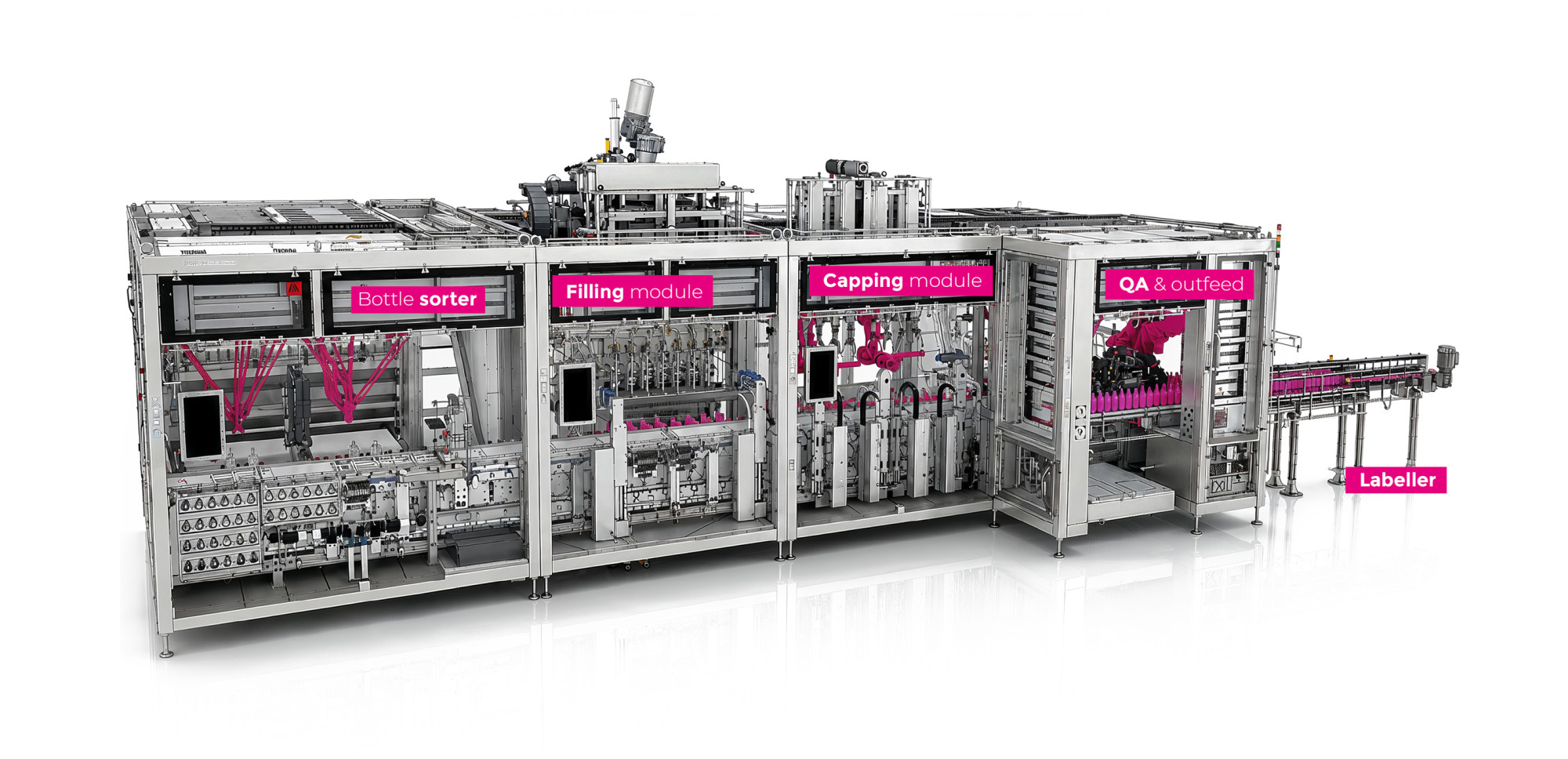
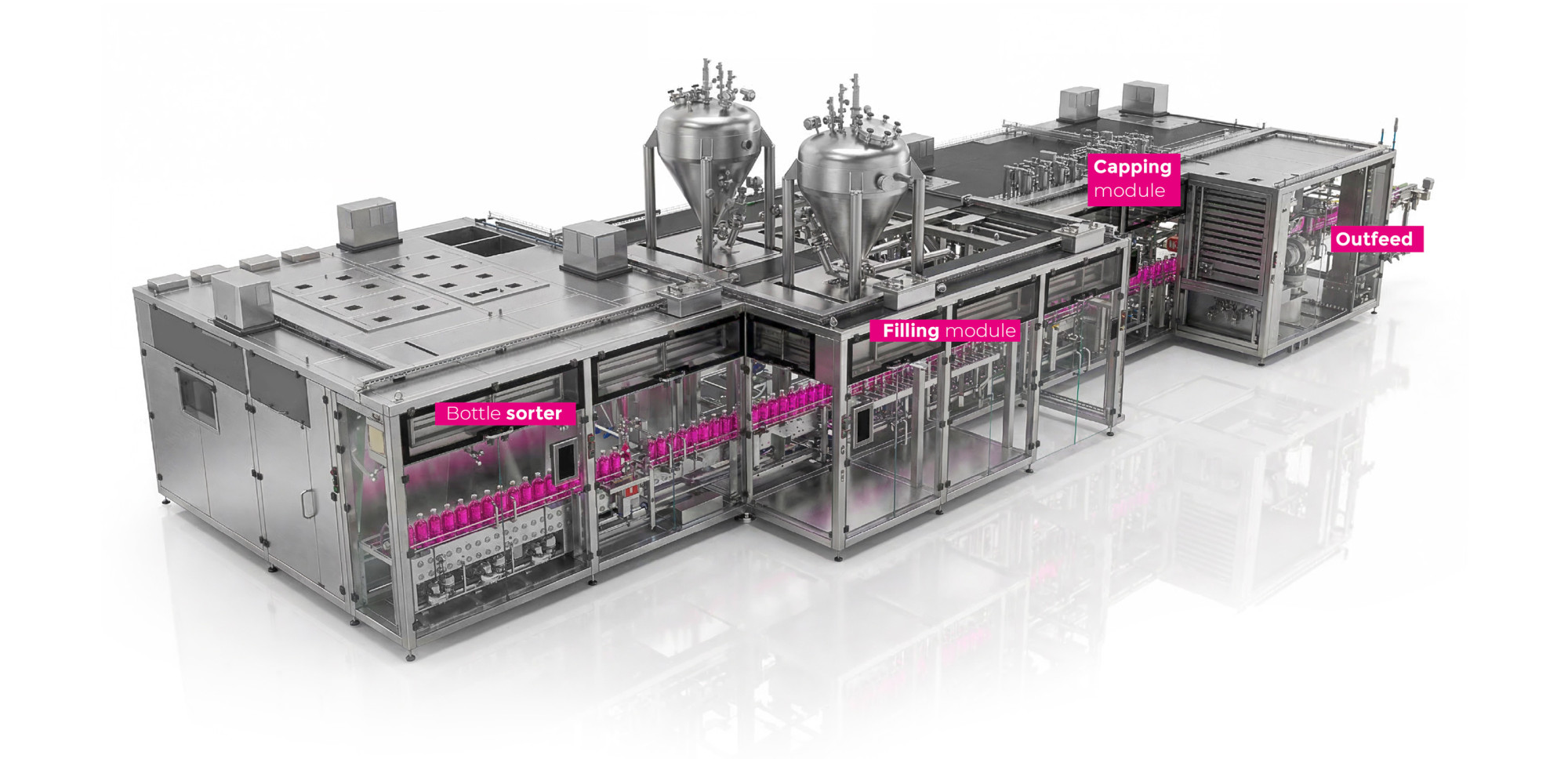
One of the clearest examples of this philosophy in practice is the installation at Soproreal in France, where Unilogo Robotics implemented CleanLine 60 complete production line into an active cosmetics production environment.
Since going live, the line has been running continously, demonstrating in daily production what Dali Mavrinac describes in principle: a system built not for the demonstration, but for non stop operation 24h/7 days week operation for many years.
Flexible Lines
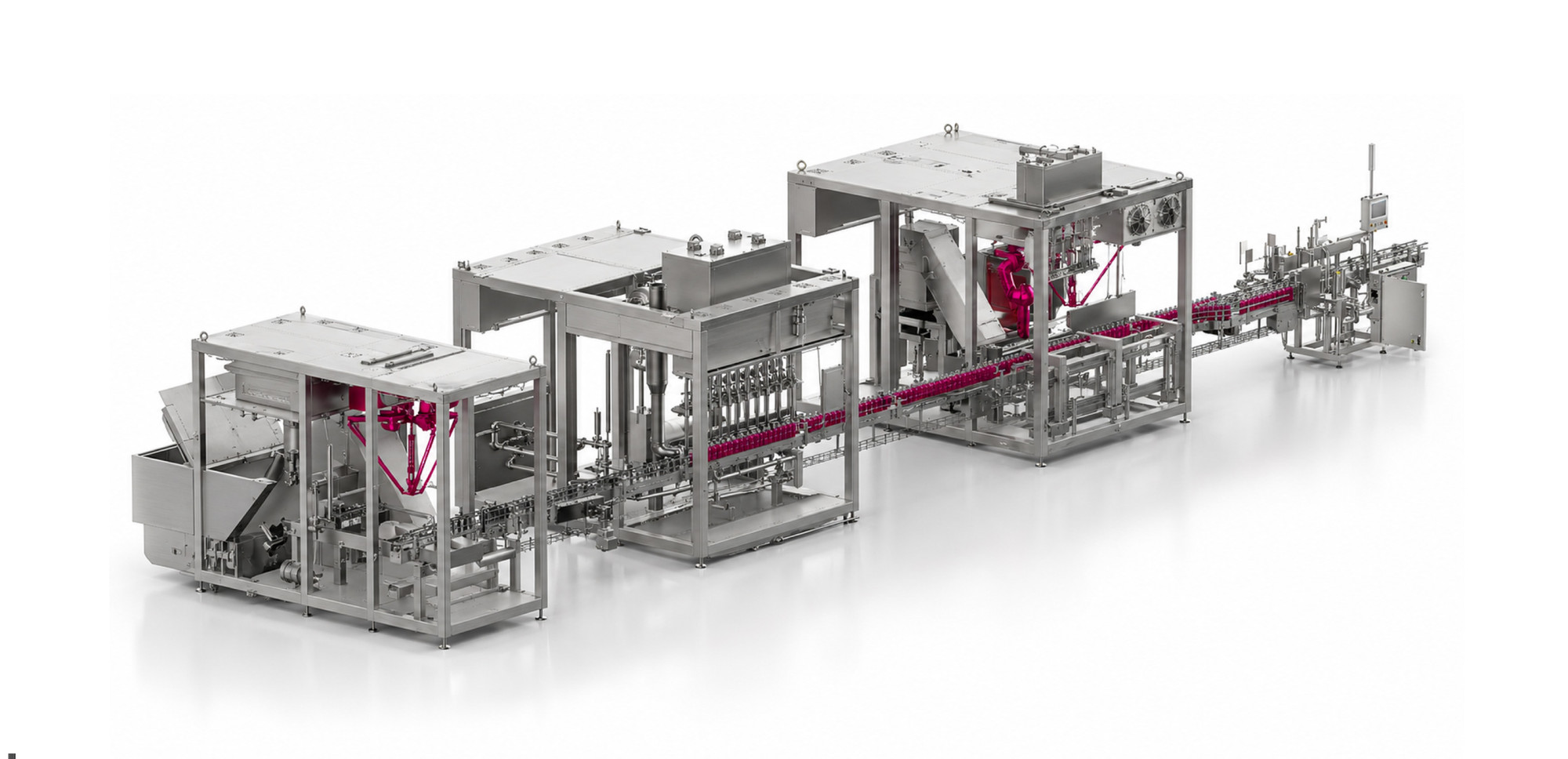
Flexibleline 70

Add to newsletter
Dali Mavrinac
Executive Directorof Unilogo Robotics USA