

How Farmec turned a production upgrade into a confidence upgrade

When Farmec decided to introduce a new automated production line, the reaction wasn’t applause. It was curiosity — mixed with caution.
Will it be complicated? Will we lose control?
In manufacturing, change is rarely neutral. A new system doesn’t just alter performance metrics; it reshapes daily routines, responsibilities, and even the emotional climate on the production floor. For a company operating in the fast-paced private label cosmetics space, the stakes were high. Deadlines are tight. Volumes fluctuate. Precision is non-negotiable.
So when the new line was announced, the questions were immediate and pragmatic: Will it slow us down before it speeds us up? Will it be complicated? Will we lose control? Today, months after installation, the conversation sounds very different.
“The biggest difference?
one production leader reflects. “It’s the calm.”
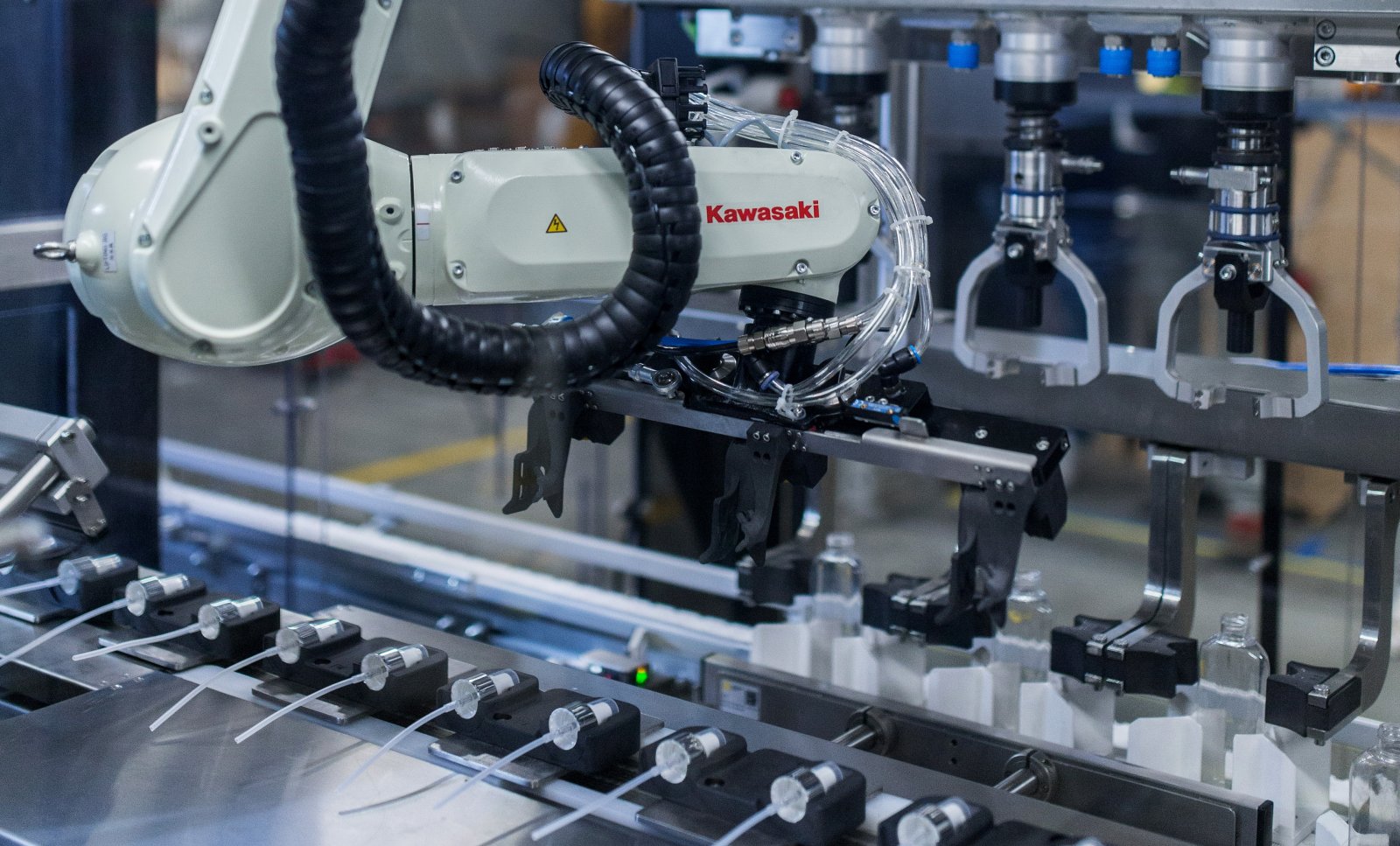
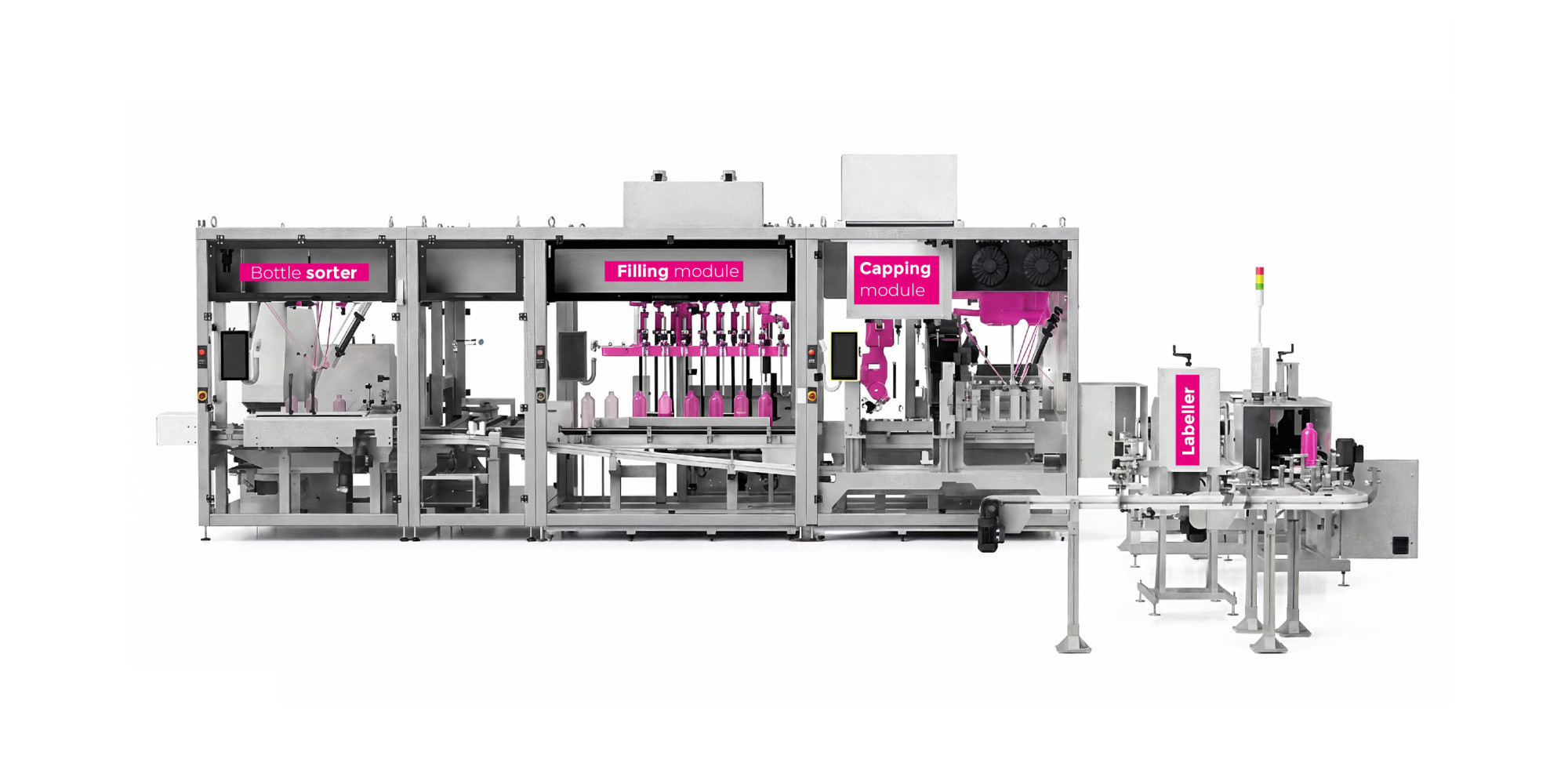
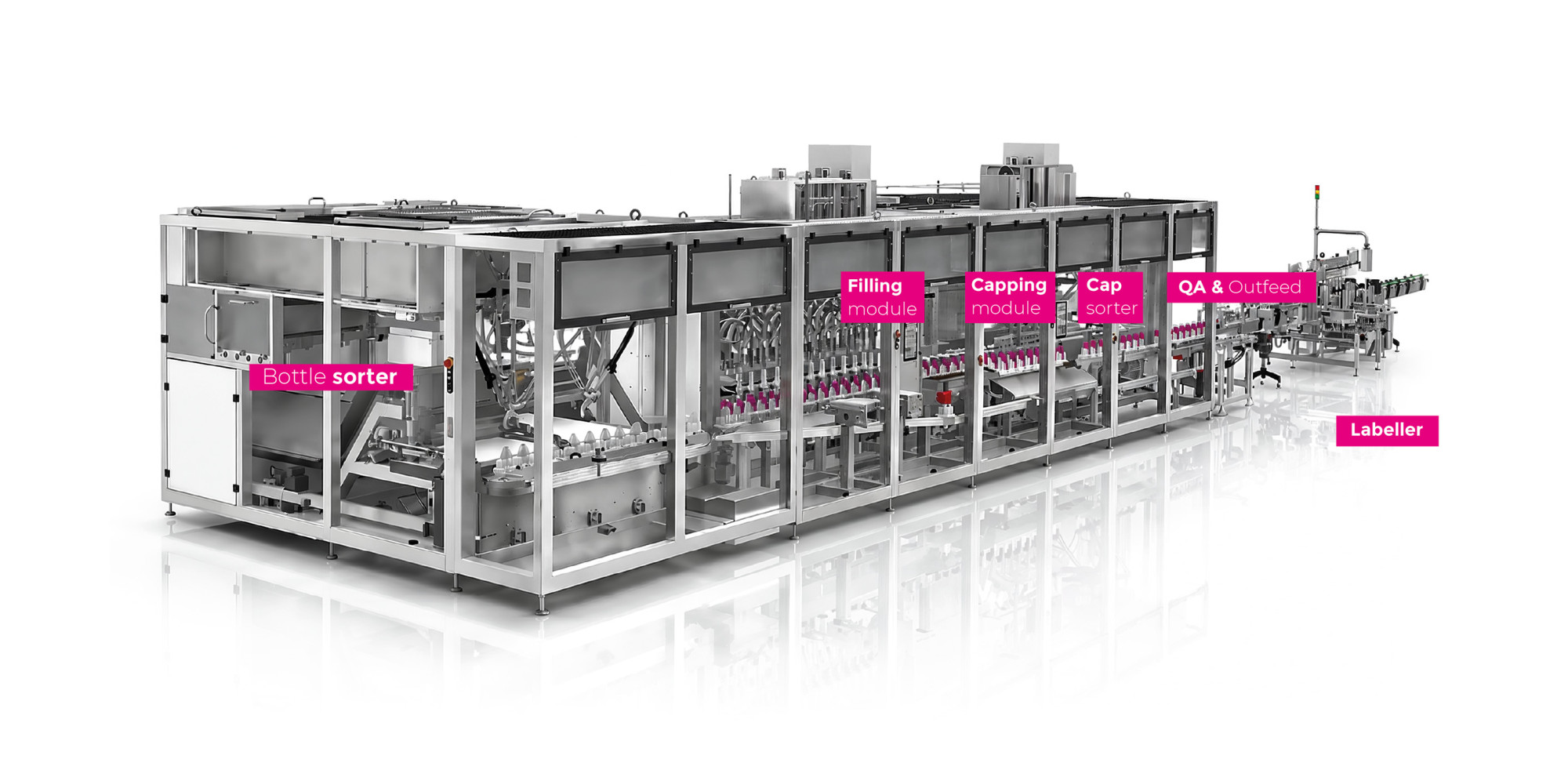
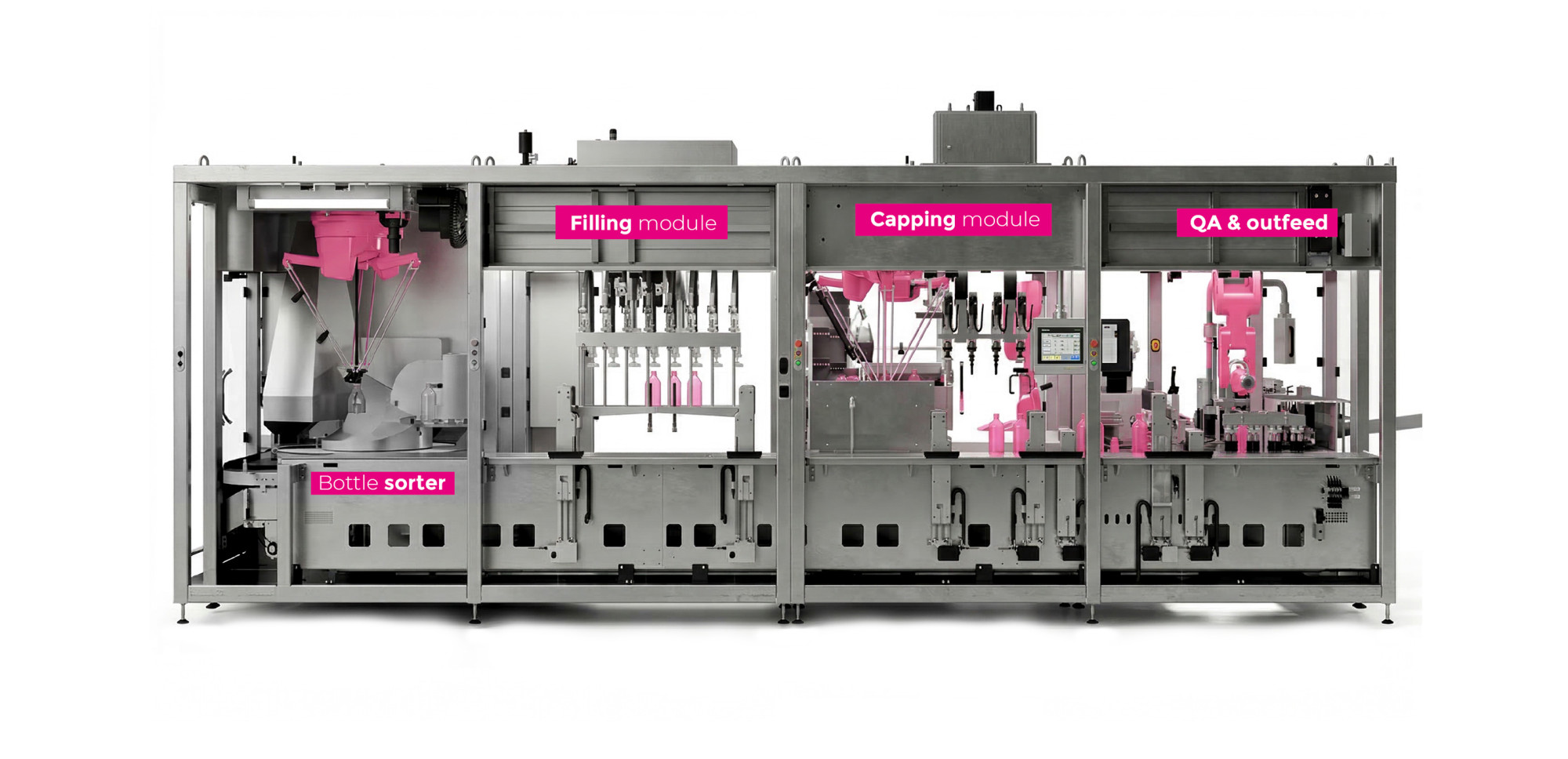
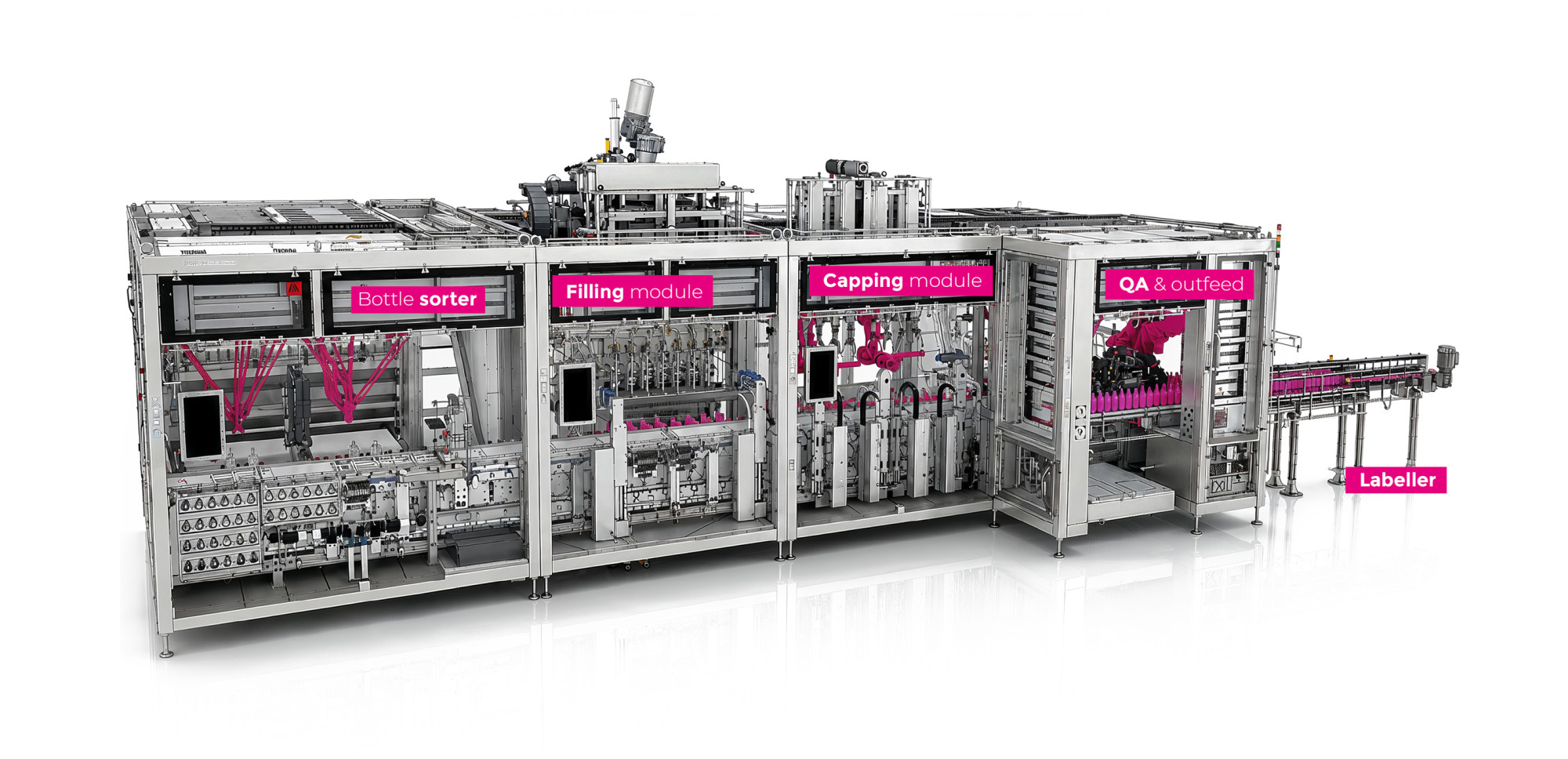
Before automation, peak production periods carried a familiar tension. Manual adjustments, small but frequent interventions, reactive troubleshooting — the workflow demanded constant vigilance. Even a minor disruption could cascade into pressure across shifts. Now, production days are notably more predictable. The line runs with stability, and performance data is visible in real time. Operators no longer spend their shifts reacting; they supervise, optimize, and anticipate.
The transition happened faster than many expected. What initially raised concerns — the sophistication of the system — turned out to be one of its strengths. The interface proved intuitive, guiding users logically through operations. New team members adapt quickly, reducing the learning curve that typically accompanies technological upgrades.
Importantly, automation did not reduce operator involvement. It redefined it. Instead of manually correcting small deviations, teams now focus on process oversight. They see performance indicators instantly. They can identify trends before they escalate into stoppages. That visibility has shifted the sense of control from reactive to proactive.
“Decisions are no longer based on fragmented information”
For supervisors, the change is even more pronounced. What once required physical checks across the floor is now accessible on a single dashboard. Efficiency, downtime causes, throughput — the line’s performance is transparent. Decisions are no longer based on fragmented information or end-of-shift summaries. They are data-driven and immediate.
The collaboration between production and maintenance has evolved as well. Previously, troubleshooting often began with ambiguity — a general “something isn’t working.” Now, precise diagnostics shorten response times and improve communication. Data has become a shared language between teams.
Perhaps most significantly, the system has reduced manual interventions. The small, repetitive adjustments that once consumed time and energy have largely disappeared. Operators describe the shift not as doing less, but as doing better. Less physical strain. Fewer micro-stress moments. More focus. And with that comes confidence. In a sector where customer expectations grow sharper each year, the ability to commit to tight deadlines with certainty is a competitive advantage.
Stability in production translates directly into reliability in delivery. Farmec’s leadership notes that planning feels different now — not optimistic, but assured.
The cultural impact is equally tangible. When performance data is visible and measurable, conversations change. Continuous improvement is no longer abstract. Teams initiate discussions around optimization because they can see the numbers that justify it.
Automation has not replaced human judgment; it has elevated it. What stands out most in this transformation is not the machinery itself, but the psychological shift it enabled. Production floors are often measured in output per hour. Yet here, success is also measured in something less quantifiable: reduced stress during peak demand, smoother shifts, clearer accountability.
Work, in practical terms, has become better — and yes, nicer. There is less firefighting. More foresight. Less uncertainty. More ownership. For Farmec, the new line did more than increase efficiency. It recalibrated the daily experience of the people who keep the business moving. And in modern manufacturing, that may be the most valuable upgrade of all.
Flexible Lines
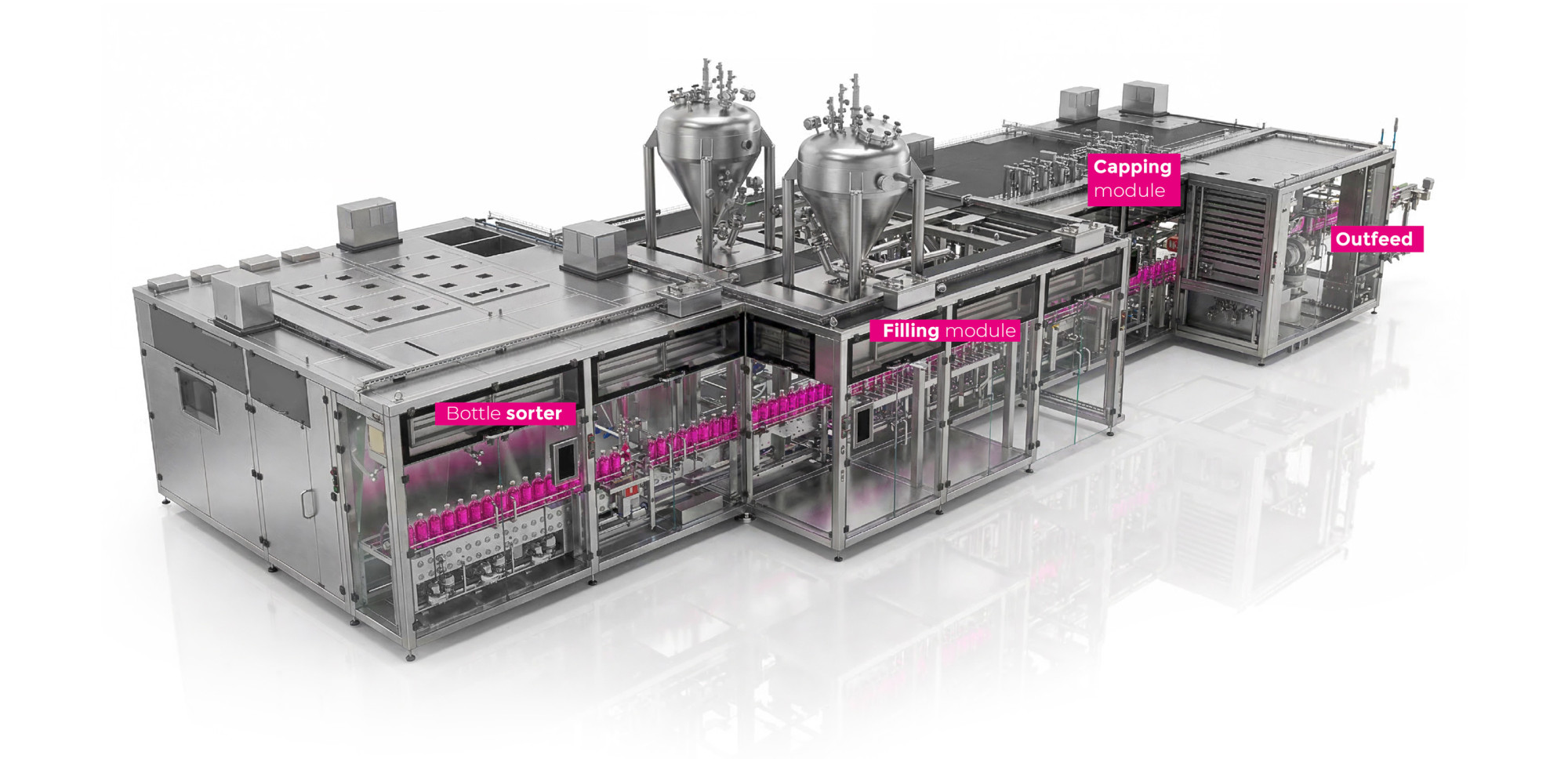
Cleanline 200

Add to newsletter

Monica Vuscan
Technical-Production Director