They do not necessarily stop the entire line or trigger alarms that force immediate intervention.
More often, they quietly erode efficiency — a few minutes lost during changeover, a sequence of
micro-stoppages, a rejected batch caused by inconsistent sealing.
Over time, these small inefficiencies accumulate into significant operational cost. In many modern production facilities, one of the most underestimated sources of this hidden loss is the capping process. As product portfolios expand and packaging diversity becomes standard, traditional capping systems are increasingly exposed as rigid and time-consuming.
Manufacturers today operate in an environment defined by multiple SKUs, limited editions, varying bottle geometries and evolving cap designs. Yet much of the installed capping technology was engineered for stability around a narrow range of formats. Each new product variation introduces adjustment. Each format change demands time. Each mechanical modification increases the risk of error. Production teams learn to manage these constraints, but managing a limitation is not the same as eliminating it.
Most importantly, AI turned operational data into strategic insight. Patterns in machine utilization, micro-stoppages, and shift performance became measurable and actionable.
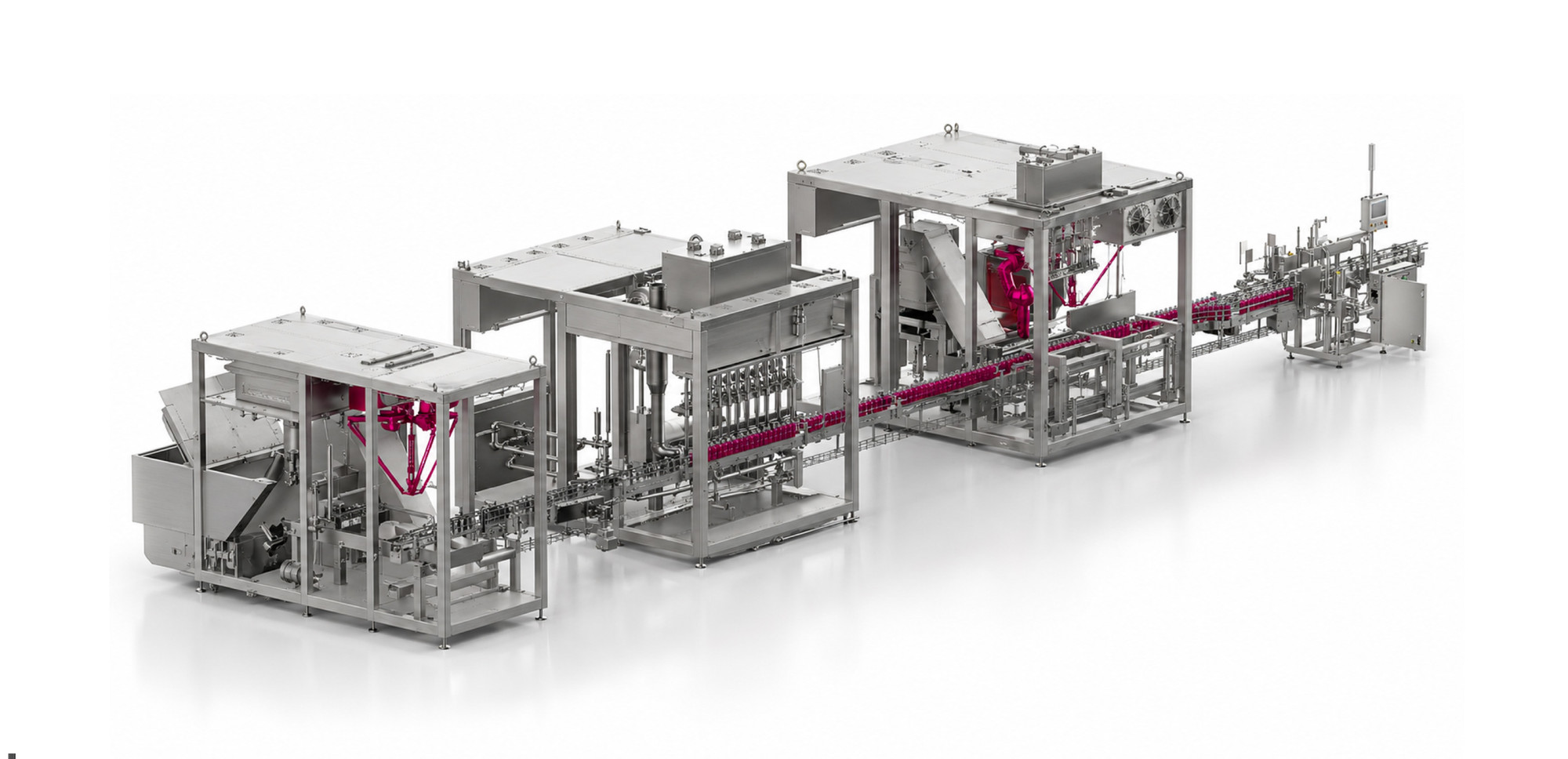
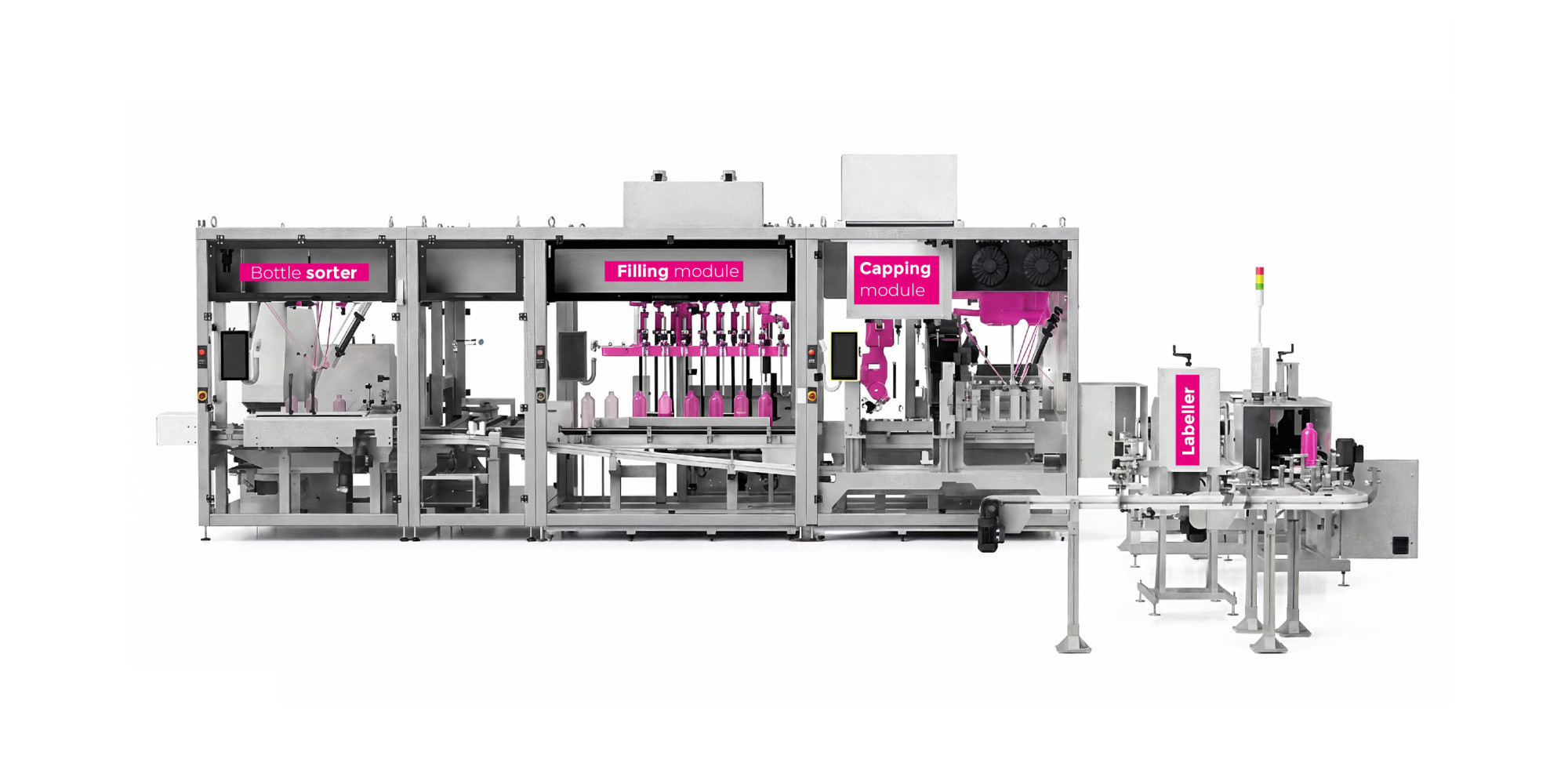
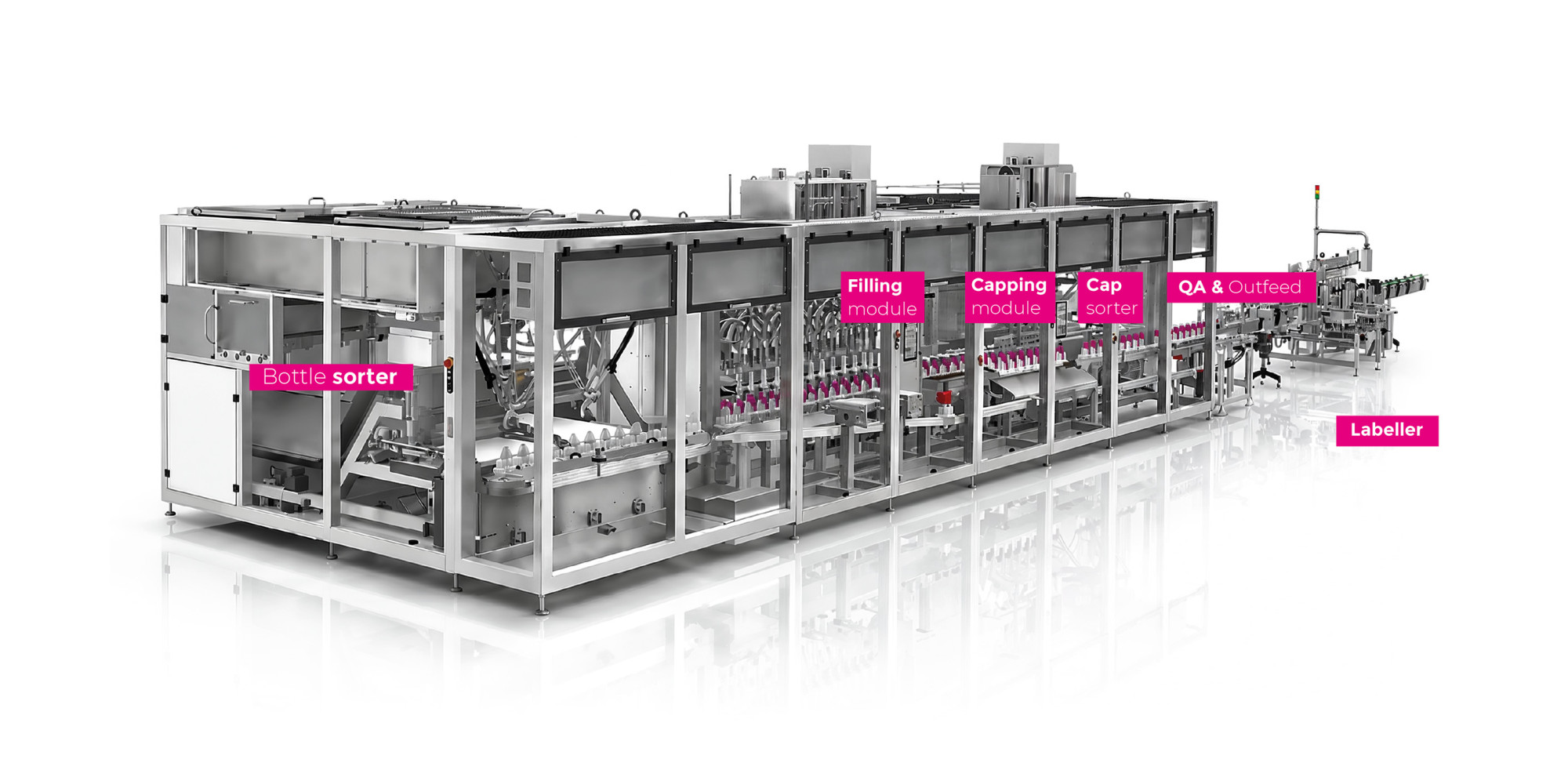
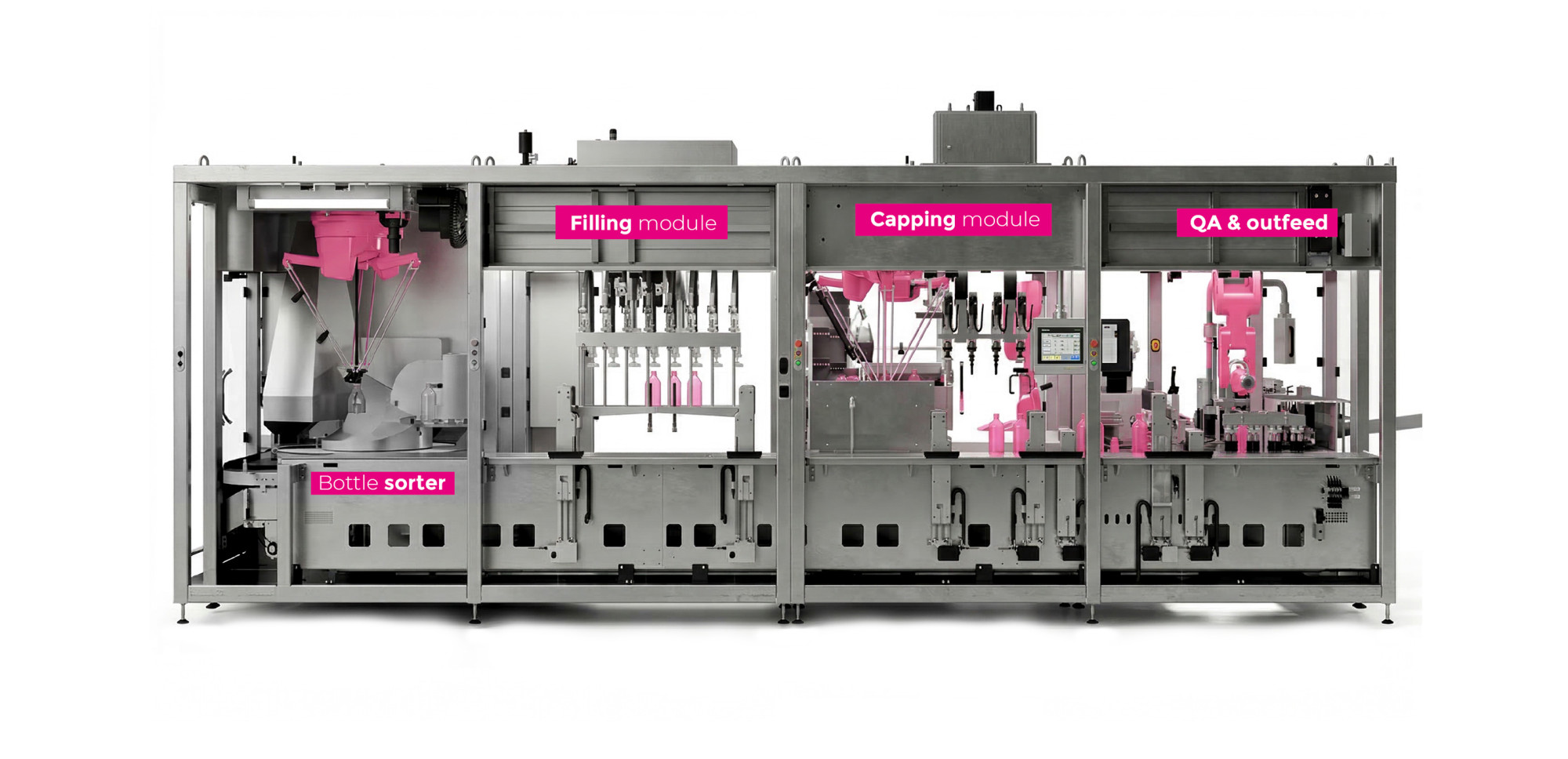
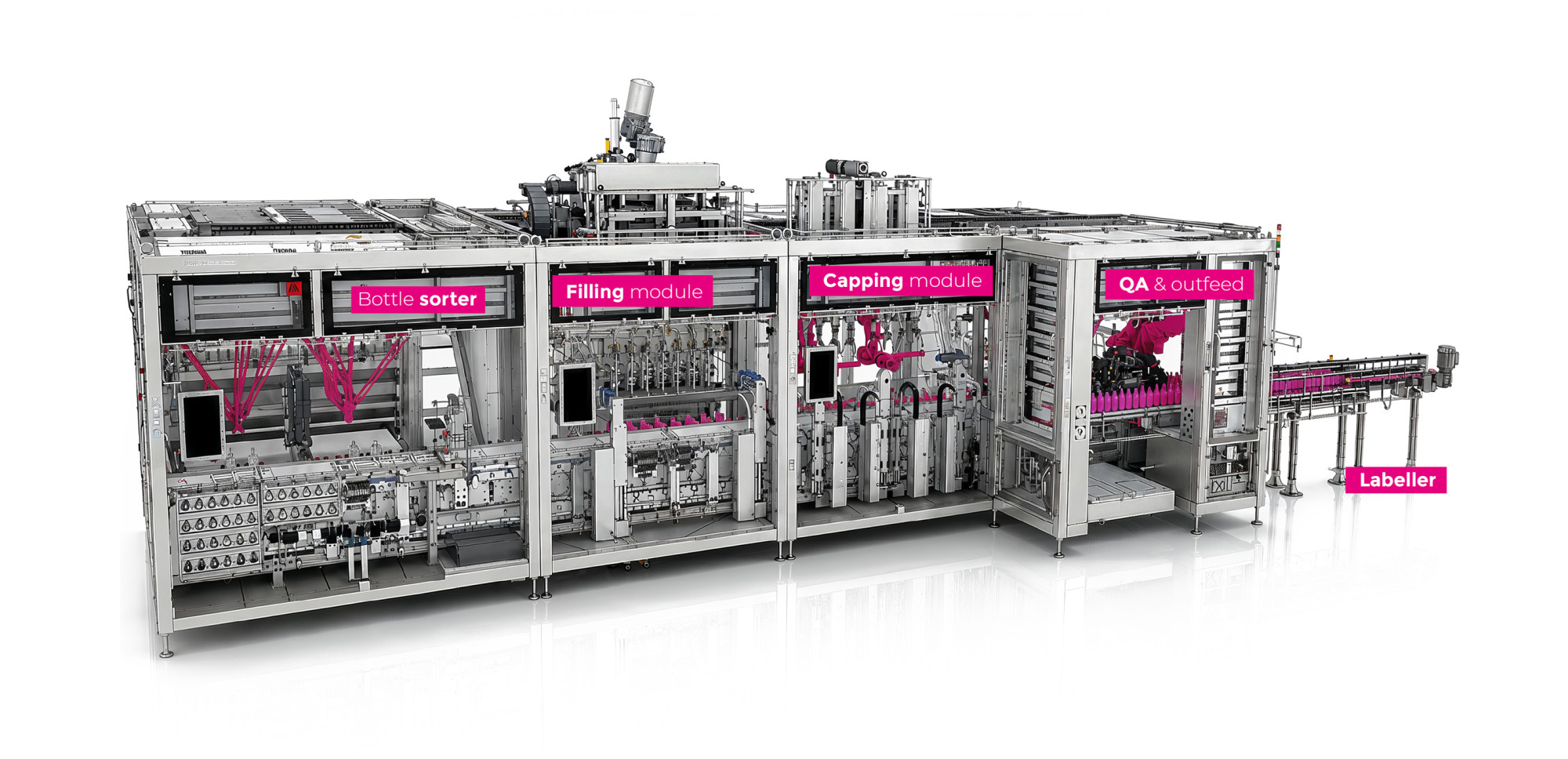
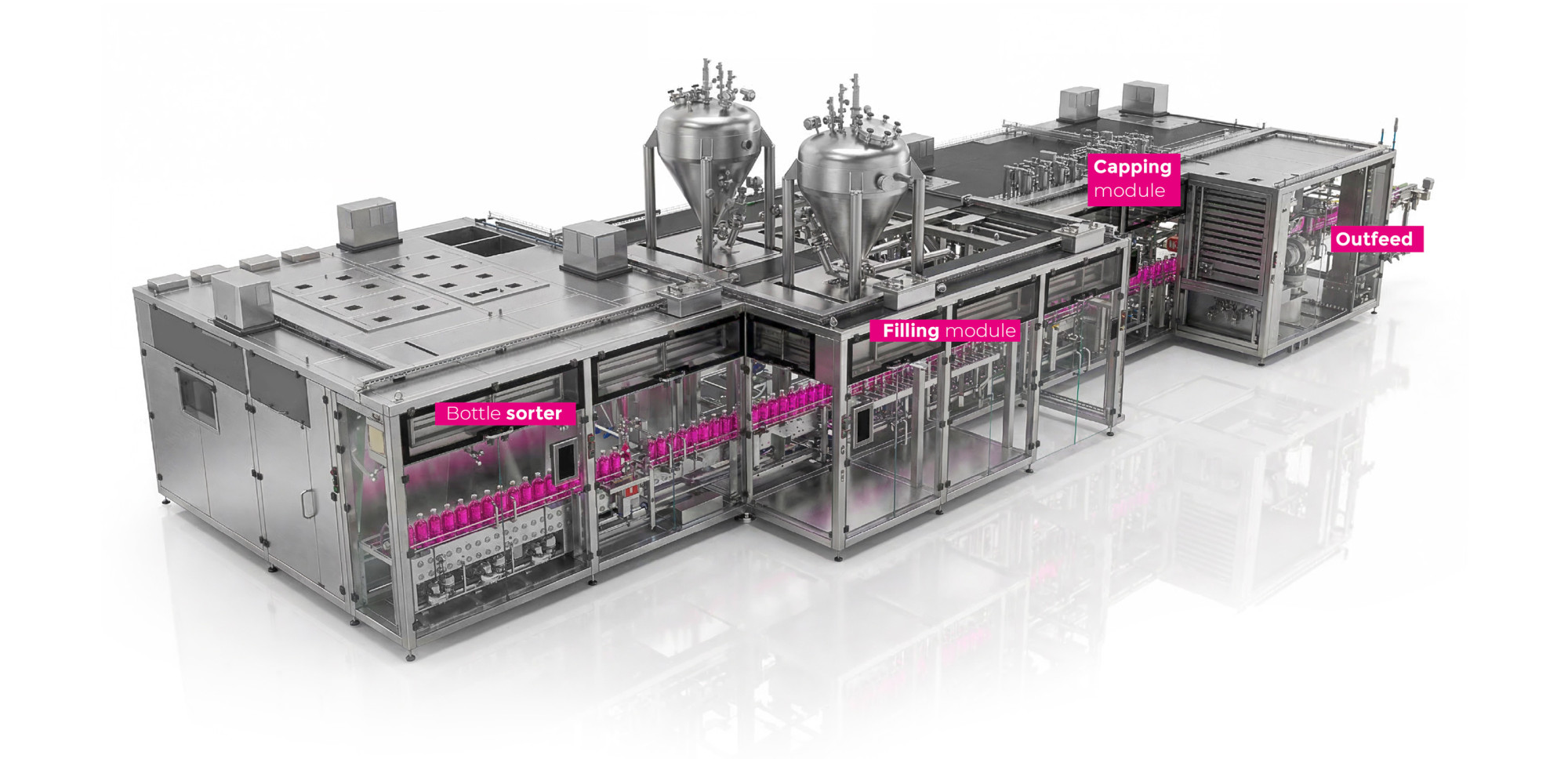
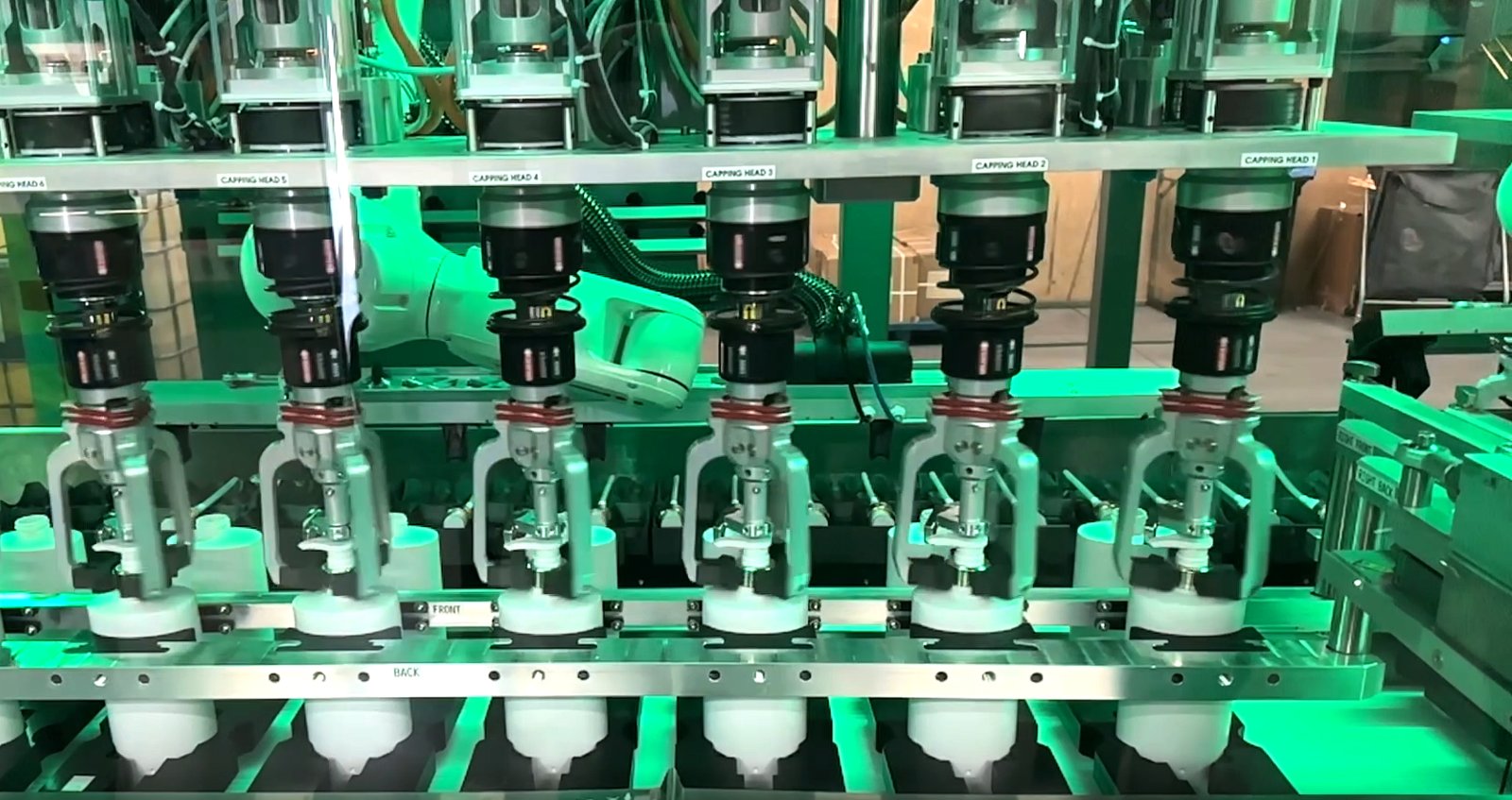
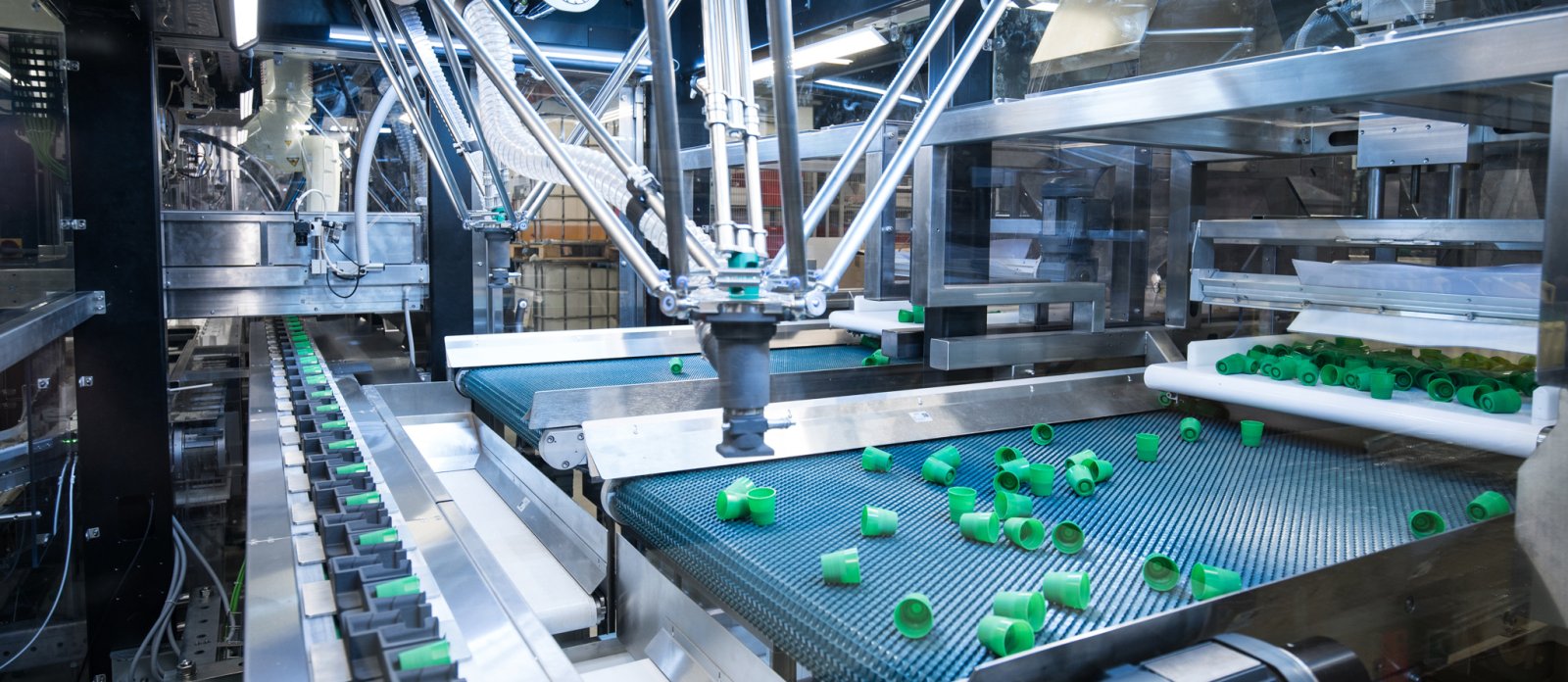
FlexiCapper transforms capping from a bottleneck into an enabler. Production planners gain room to maneuver. Operators work within a stable, repeatable system rather than compensating for mechanical sensitivity. Management sees measurable improvements in availability and overall equipment effectiveness.
Equally important is the reduction of operational risk. Mechanical complexity and frequent manual adjustments often create variability. In sealing applications, that variability translates directly into quality concerns — leaks, improper torque, compromised product integrity.
By stabilizing the process and minimizing intervention points, FlexiCapper supports consistent sealing performance across formats.
In an era where agility defines competitiveness, flexibility cannot remain a marketing promise;
it must be engineered into the production floor. Unilogo Robotics demonstrates that even a process as established as capping can be rethought when approached with the realities of modern manufacturing in mind.
By removing structural limitations and aligning machine capability with market dynamics, the company is not merely improving a single step in the packaging line. It is helping manufacturers reclaim time, reduce hidden losses and expand without friction.
Sometimes competitive advantage does not come from increasing speed alone. It comes from eliminating the quiet constraint that has been holding the line back all along